Preface
As industries continue to evolve in 2026, automation remains at the forefront of innovation, particularly in production lines. One crucial piece of equipment within these lines is the capping machine, which plays a significant role in ensuring product quality, efficiency, and safety. This article explores the application scenarios of capping machines across various industries, highlighting their vital role in modern filling production lines. With an emphasis on SEO-optimized content, this comprehensive analysis will help industry professionals understand the growing relevance of capping machines and their impact on product packaging and quality assurance.
Introduction to Capping Machines
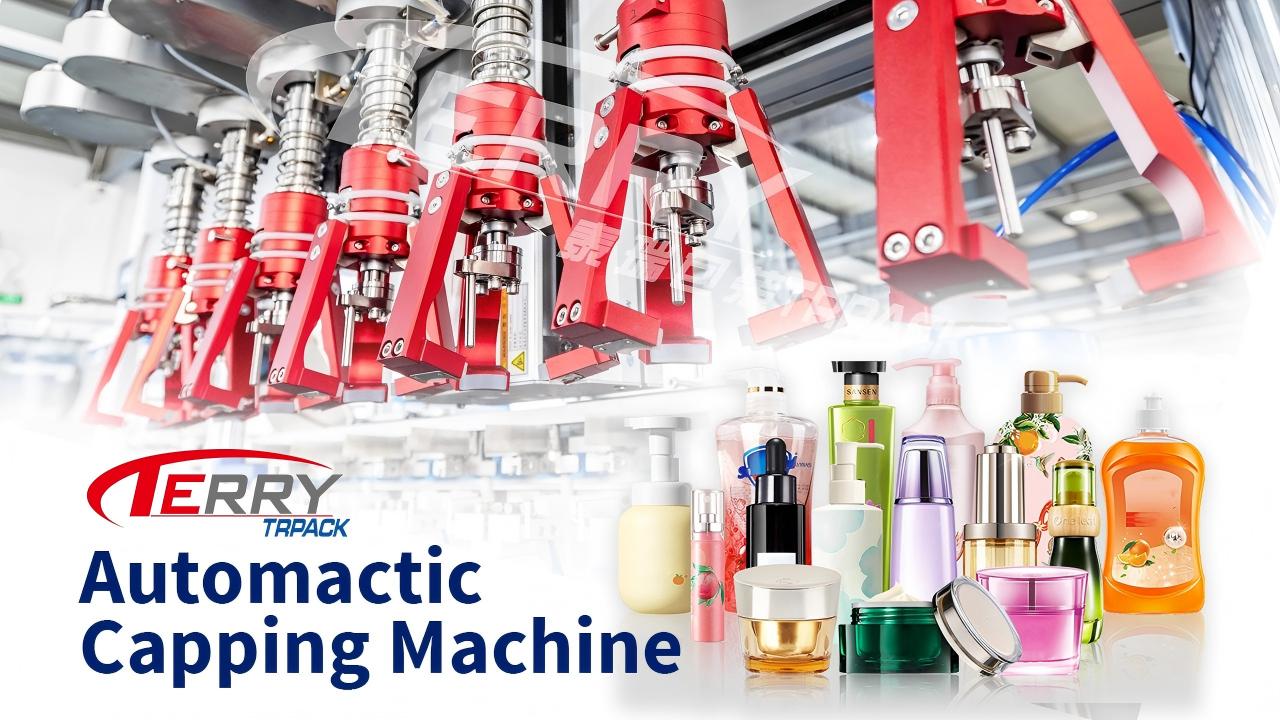
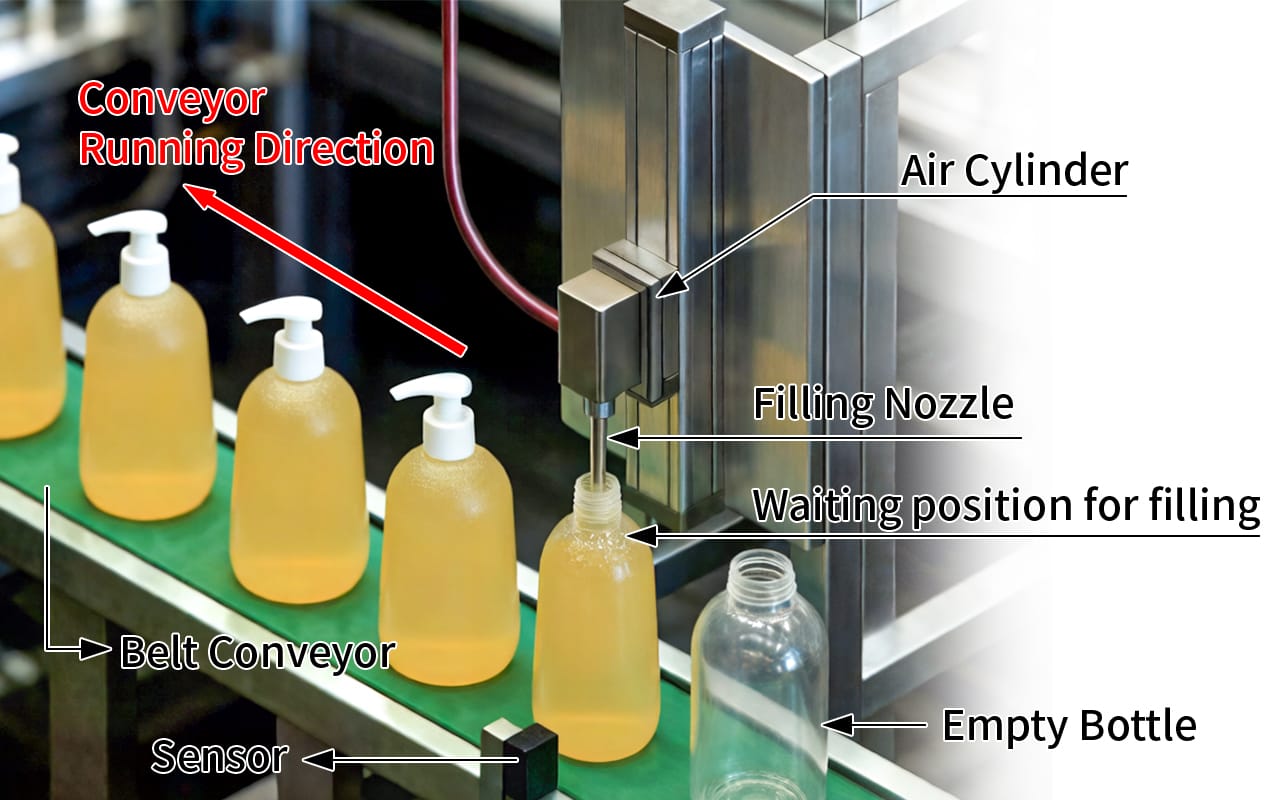
Capping machines are automatic devices used to apply caps or lids to containers such as bottles, jars, and other sealed packaging. These machines are integral to industries that rely on liquid, gel, or paste products that require airtight and tamper-proof seals. A well-constructed capping machine not only ensures the efficiency of the filling process but also guarantees the quality and integrity of the final product.
In 2026, technological advancements in capping machine designs have enhanced their versatility, precision, and speed, making them indispensable in production lines. Below, we analyze the key application scenarios of capping machines across several major industries.
1. Cosmetics Industry: Precision and Appeal
In the cosmetics industry, packaging plays a vital role in attracting consumers and protecting the product’s integrity. Capping machines are crucial for sealing perfumes, lotions, serums, and other beauty products. These machines ensure that each cap is applied with precision, preventing any potential damage to the product’s delicate contents.
Benefits in cosmetics production include:
- Aesthetic Consistency: Capping machines apply caps uniformly, which is essential for maintaining the visual appeal of products in an industry that places a high emphasis on design and presentation.
- Product Integrity: Cosmetics often contain sensitive ingredients, and the airtight seals provided by capping machines help to preserve the potency and effectiveness of these products.
- Scalability: As the cosmetics industry continues to expand, the automation of capping processes allows manufacturers to scale their operations efficiently without sacrificing quality.
In 2026, with advancements in capping technologies such as automation and robotics, the cosmetics sector can expect even more precision in packaging, ensuring that products remain safe and attractive throughout their shelf life.
2. Daily Chemical Industry: Efficiency in High-Volume Production
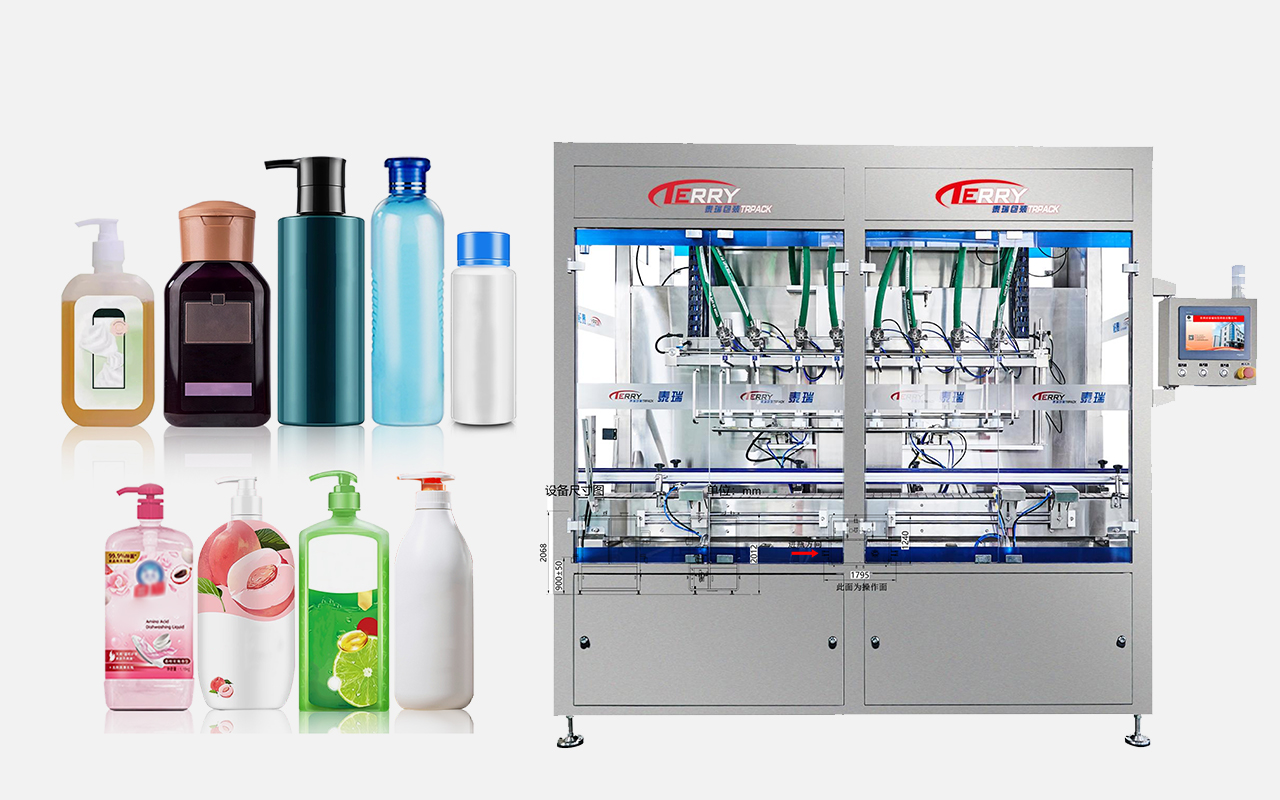
The daily chemical industry, encompassing products like shampoos, shower gels, laundry detergents, and cleaning agents, relies heavily on capping machines. Given the high production volume and the variety of bottle sizes, capping machines must be highly adaptable and precise.
Benefits in the daily chemical industry:
- High-Speed Operations: Capping machines are designed for rapid sealing, which is crucial in industries that produce large quantities of products daily.
- Versatile Cap Handling: Capping machines can accommodate various cap styles, including screw-on caps, flip-tops, and pump dispensers.
- Enhanced Product Quality: Proper sealing ensures the consistency and quality of liquid products, preventing leakage or contamination during storage and transport.
As consumer demand for personal care products continues to grow, the role of capping machines in ensuring the reliable and efficient packaging of these products will only expand.
3. Pharmaceutical Industry: Sealing for Safety and Compliance
The pharmaceutical industry places a strong emphasis on product safety and regulatory compliance. Capping machines play a vital role in ensuring that medication bottles, health supplements, and other pharmaceutical products are securely sealed to prevent contamination and ensure proper dosage.
Benefits in the pharmaceutical industry:
- Regulatory Compliance: Capping machines help ensure that pharmaceutical products meet stringent regulatory standards by providing airtight and tamper-evident seals.
- Preservation of Efficacy: Many medications and health supplements require airtight sealing to maintain their effectiveness and extend shelf life.
- Traceability and Data Recording: Modern capping machines are equipped with data recording features that help track production batches, aiding in product recall processes and regulatory audits.
The demand for pharmaceutical products is increasing globally, and the efficiency provided by automated capping machines is essential in meeting this need while maintaining high standards of safety and quality.
4. Food Industry: Ensuring Freshness and Safety
The food industry demands stringent quality controls to maintain the freshness and safety of consumables. Capping machines are used extensively in bottling foods such as soy sauce, vinegar, condiments, jams, and sauces. These machines ensure the precise sealing of product containers, preserving the food’s flavor and shelf life and preventing contamination.
Benefits in the food industry include:
- Improved Airtight Sealing: Capping machines ensure that bottles and jars are sealed tightly, preventing air from entering and causing spoilage.
- Consistency and Speed: Automated capping systems enhance production line speed without compromising accuracy, meeting the high demand for packaged foods.
- Tamper-Proof Packaging: Capping machines provide a level of security to consumers by ensuring that food products are sealed tamper-proof, increasing customer confidence.
In 2026, the food industry is poised to see further integration of smart capping machines that can monitor seal integrity and even track production data for improved quality control.
5. Beverage Industry: Ensuring Freshness and Shelf Life
In the beverage industry, capping machines are vital in sealing bottled drinks, whether carbonated beverages, juices, tea drinks, or functional beverages. Proper capping ensures that beverages retain their flavor, carbonation, and freshness, even during long storage periods.
Advantages in beverage production:
- Preservation of Product Quality: Capping machines ensure the airtight sealing of beverage bottles, preventing contamination and maintaining the product’s taste and shelf life.
- Automation and Efficiency: High-speed capping machines help beverage manufacturers meet the ever-growing demand for bottled drinks, improving productivity without sacrificing quality.
- Custom Cap Options: Capping machines can handle different types of caps, including screw caps, crown caps, and twist-off caps, depending on the specific requirements of the beverage product.
With the growing trend of health-conscious consumers demanding functional and natural beverages, the beverage industry continues to leverage advanced capping technologies to maintain product quality and extend shelf life.
Conclusion: The Growing Importance of Capping Machines in 2026
As industries continue to focus on efficiency, safety, and quality in their production lines, capping machines will remain a cornerstone of the filling process. Their widespread applications across industries such as food, daily chemicals, cosmetics, pharmaceuticals, and beverages underscore their critical role in modern manufacturing.
In 2026, we can expect further innovations in capping machine technology, including enhanced automation, precision, and data integration. As consumer expectations continue to rise, capping machines will be integral to ensuring that products are sealed securely, safely, and consistently—helping manufacturers meet the demands of the market while maintaining the highest quality standards.
By embracing the latest advancements in capping machines, industries can continue to enhance their production lines, ensuring both operational efficiency and customer satisfaction.
About Changzhou Terry Packing Sic-Tech Co., Ltd. (TERRY PACKING or TRPACK)
Changzhou Terry Packing Sic-Tech Co., Ltd. (TERRY PACKING or TRPACK) is a high-tech enterprise specializing in the R&D, production, sales, and service of packaging machinery and equipment production lines. We consistently adhere to innovation as our core principle and quality as our foundation, continuously pursuing excellence to provide customers with efficient, stable, and reliable packaging machinery solutions.
We specialize in intelligent factories producing packaging equipment for daily chemicals, cosmetics, and pharmaceuticals (automated and intelligent workshop design for packaging materials, packaging, and palletizing; intelligent production process design; intelligent universal control; unified delivery). TRPACK boasts a strong R&D team that keeps pace with the times, constantly absorbing new technologies and processes, and innovating to maintain a leading position in the packaging machinery industry for many years. Simultaneously, we strictly adhere to the ISO9001 quality management system in production and management to ensure that every product meets or exceeds customer expectations.
TRPACK’s products cover multiple industries including cosmetics, personal care, detergents, household and industrial cleaning, agrochemicals, pharmaceuticals, food, and beverages. These products include bottle unscramblers, filling machines, capping machines, labeling machines, packaging machines, and other series, as well as one-stop complete production line equipment. These products are not only highly efficient, stable, and easy to operate, but can also be customized to meet different customer needs, largely satisfying the production needs of global B2B market customers.