
TRPACK is ready to tackle any pharma & healthcare filling and packaging challenge!
In the pharmaceutical and healthcare industry, products such as liquid medicines, disinfectants, oral solutions and wound care products require high levels of precision, strict hygiene and regulatory compliance. Manufacturers face challenges including complex bottle types, frequent changeovers, contamination risks and rising labour costs.
-
TRPACK provides advanced, automated pharmaceutical filling and packaging solutions, integrating bottle unscrambling, precise filling, capping, labelling and coding into a single, intelligent production line. With a sanitary design and stable control systems, our equipment ensures accurate filling, flexible operation and consistent product quality.
Adopting TRPACK’s integrated healthcare packaging line enables manufacturers to reduce manual labour, minimize product waste, improve production efficiency and establish a scalable, sustainable production system for long-term growth in the global pharmaceutical and healthcare markets.
We can provide solutions for these products.....
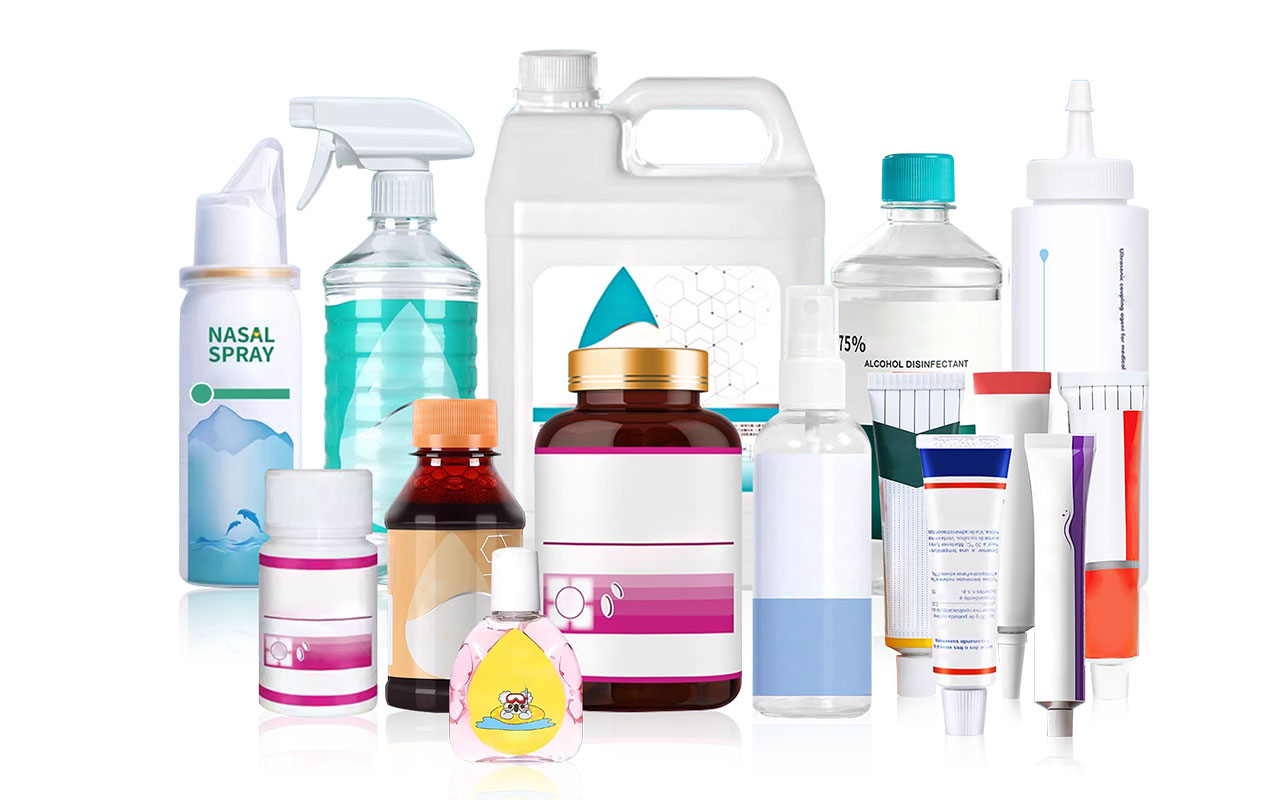
- Oral Liquid Medicine
- Cough Syrup
- Vitamin Syrup
- Herbal Extract
- Antiseptic Solution
- Iodine Solution
- Hydrogen Peroxide
- Eye Drops
- Nasal Spray
- Medical Alcohol
- Saline Solution
- Disinfection Spray
Problem with Pharma & Healthcare Filling and Packaging Industry
Compliance and GMP Control Challenges.
1. Manual operation poses a high risk of contamination and is difficult to meet the requirements of a sterile and clean environment.
Oral solid preparations and sterile preparations (injections, eye drops, freeze-dried powders) have strict cleanliness level requirements for the production environment and operation process.
When manual packing is involved, factors such as hair, dander, microorganisms of the personnel, as well as inadequate hand disinfection and improper dressing, may all cause product contamination.
Once sterile drugs are contaminated, it will directly lead to serious medical safety incidents, and at the same time violate GMP regulations, resulting in production suspension, revocation of qualifications, and huge penalties.
2. The sealing performance and integrity of the packing cannot be reliably guaranteed.
The sealing performance and integrity of the packaging cannot be reliably guaranteed.
The sealing performance of drug packaging is directly related to product stability, moisture prevention, oxidation prevention and pollution prevention.
This applies to the sealing of oral liquids and eye drops, as well as ointment tubes and heat-sealed blister packs. Manual or semi-automatic equipment is prone to sealing problems such as insufficient sealing, false sealing, damage and cracking. These problems can lead to drugs absorbing moisture, deteriorating and losing their efficacy.
Defects in sealing are considered serious quality accidents, especially for injection drugs and sterile preparations.
3. The protective ability and compatibility of packaging materials with drugs is insufficient.
Some drugs are sensitive to light, oxygen and humidity.
If you don't handle the packaging materials properly when you're packing them, they can get scratched or damaged. This can stop them from protecting the drugs from light and moisture, which can make the drugs go bad or be less effective.
4. Manual inspection is highly subjective and has a high rate of missed detections.
Relying on manual visual inspection for aspects such as the appearance of the medicine, blister mold formation, dosage, sealing performance, and label integrity is greatly affected by fatigue, attention, and experience. This leads to a high rate of missed detections and misjudgements, meaning that unqualified products cannot be completely intercepted. There is a risk of them entering the market.
Production Efficiency and Flexibility Issues.
1. Production process is fragmented and involves a lot of manual handling. There is aclear bottleneck in production capacity.
Pharmaceutical packaging is a lengthy process involving several different operations for solid preparations.
These include bottle sorting, filling, sealing, capping, aluminium foil sealing, labelling, box packing, placing instructions, sealing boxes, wrapping and boxing. For bubble packaging, the process involves bubble mould forming, filling, heat sealing, printing the batch number, and box packing.
These manual, segmented operations and multiple transfers result in low efficiency and increase the risk of contamination and confusion. They also cannot match the production capacity of the front-end stages of granulation, tablet pressing and liquid preparation, thus becoming the bottleneck of the entire production line.
2. Multiple product varieties and small-batch production, along with complex and timeconsuming line changes.
Pharmaceutical companies generally have multiple product varieties, specifications and dosage forms in circulation simultaneously.
Line changes are particularly common for generic drugs, common drugs, paediatric medications and customised drugs. Traditional equipment line changes require the manual replacement of moulds, adjustment of parameters, cleaning of equipment and verification of status. This makes the line change process long and difficult, prone to cross-contamination, and results in low equipment utilisation rates.
Cost Control and Management
1. Compliance costs and rework costs are extremely high.
When drugs have packing deviations, contamination, incorrect labelling or confusion, the entire batch must be reworked, scrapped or recalled.
Costs of materials, production, testing and logistics are also extremely high.
Risks of regulatory penalties and damage to brand reputation.
2. High material loss and cleaning costs.
Manual operating errors result in medicine bottles, blister sheets, labels and packing boxes being scrapped, and significant material waste occurs during line changes and cleaning processes.
Furthermore, the cleaning, disinfection and verification procedures in the clean area are cumbersome, time-consuming and labour-intensive.
3. Production data is not transparent, and precise management is lacking.
Manual statistics of output, qualification rate, consumable usage and equipment status result in inaccurate, non-real-time data. This makes it impossible to optimise production capacity, conduct cost accounting or perform preventive maintenance on equipment. Management relies on experience, which makes it difficult to achieve lean production.
Why choose TRPACK as your pharma & healthcare filling packaging partner?
Related Client Case Show
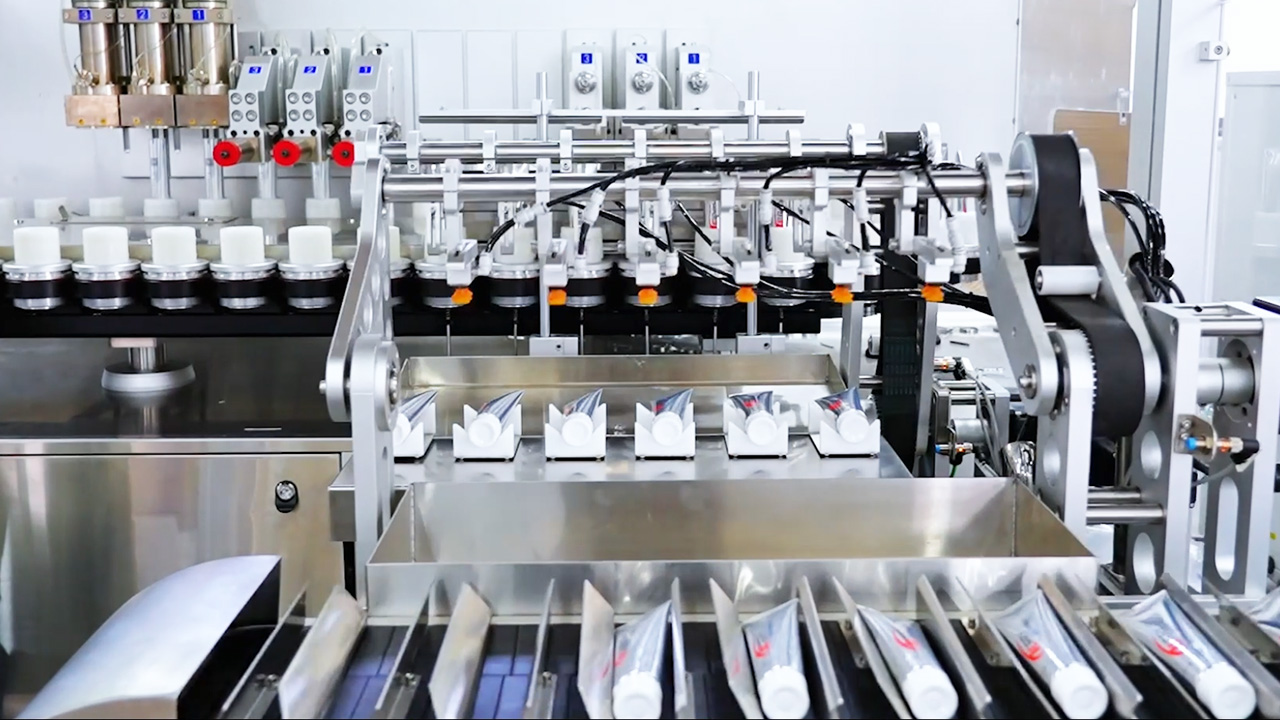
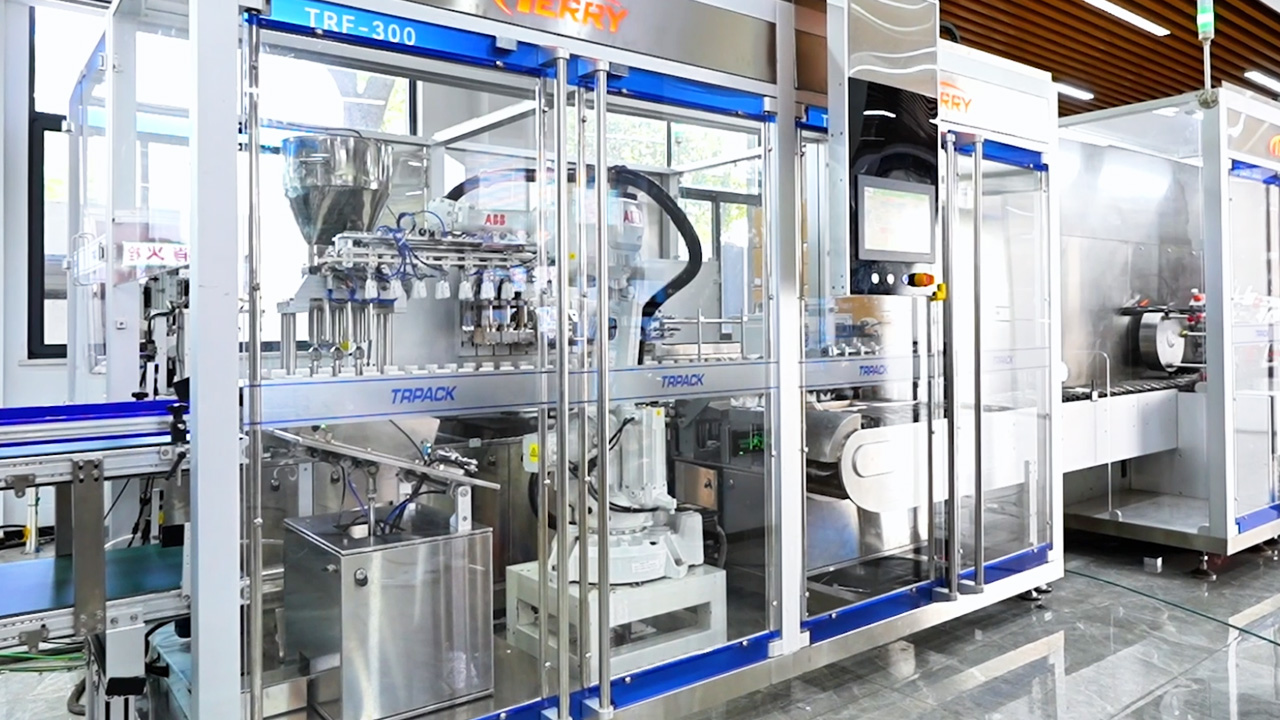
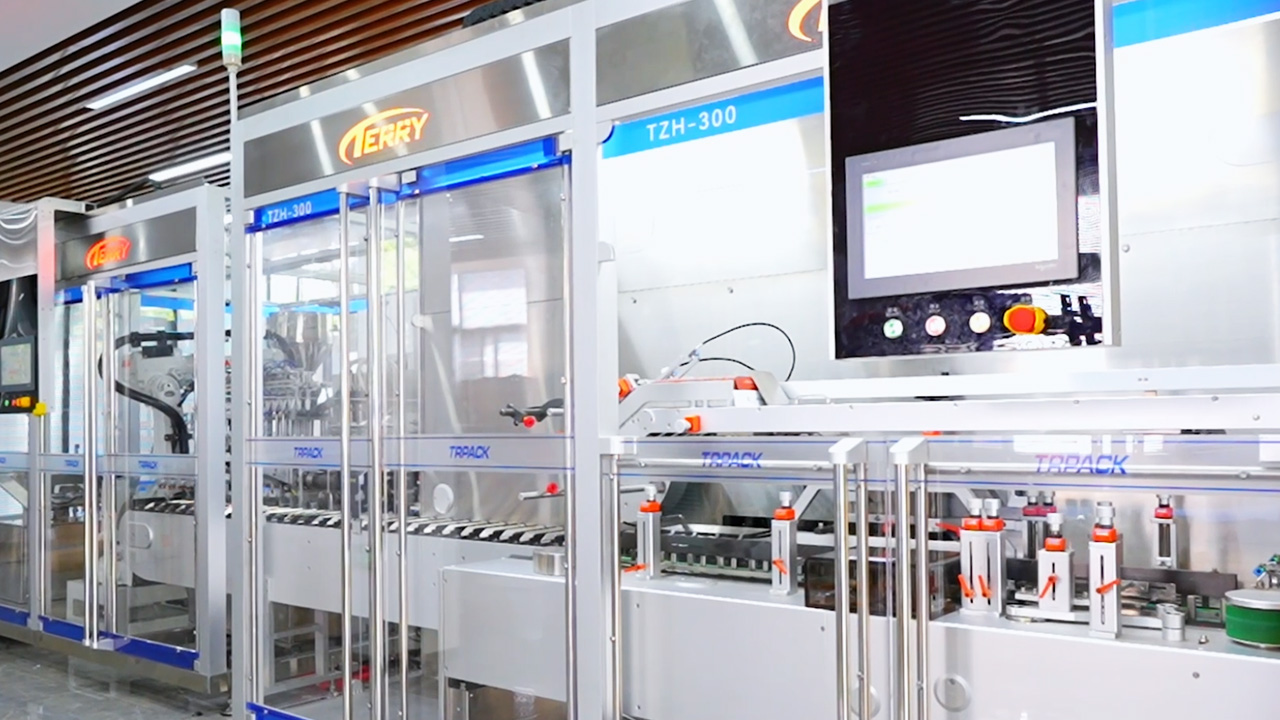
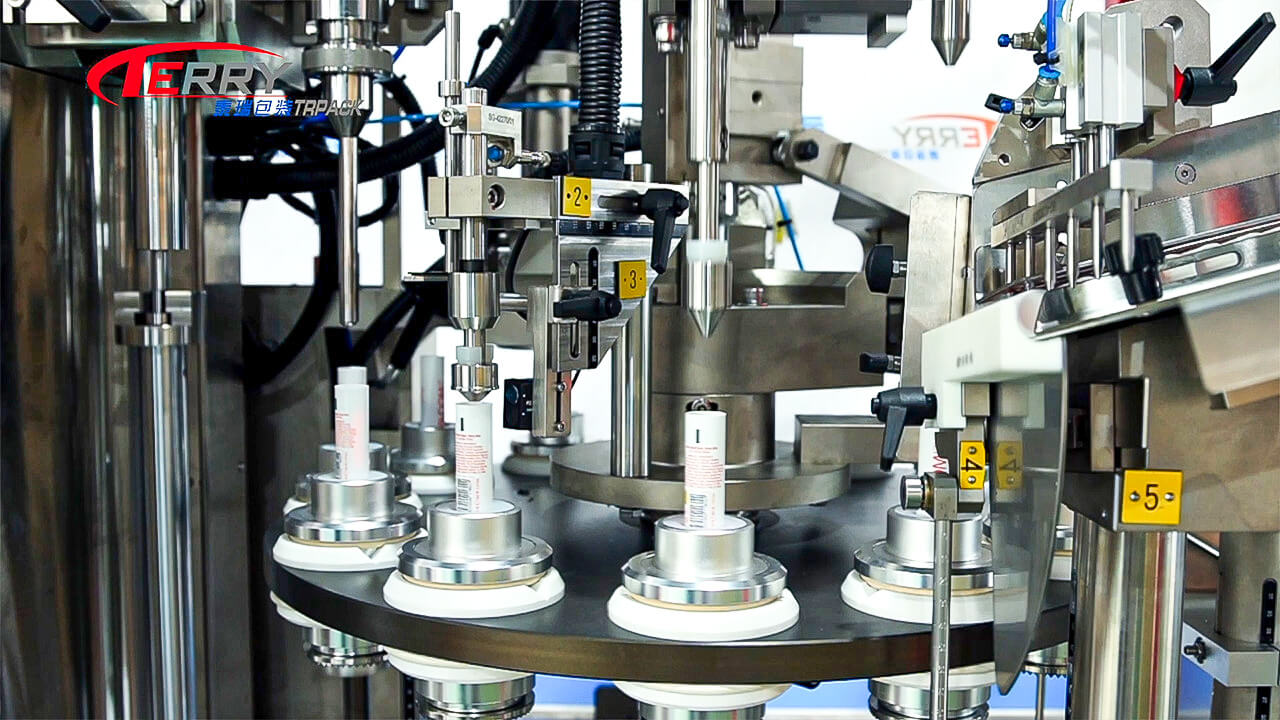
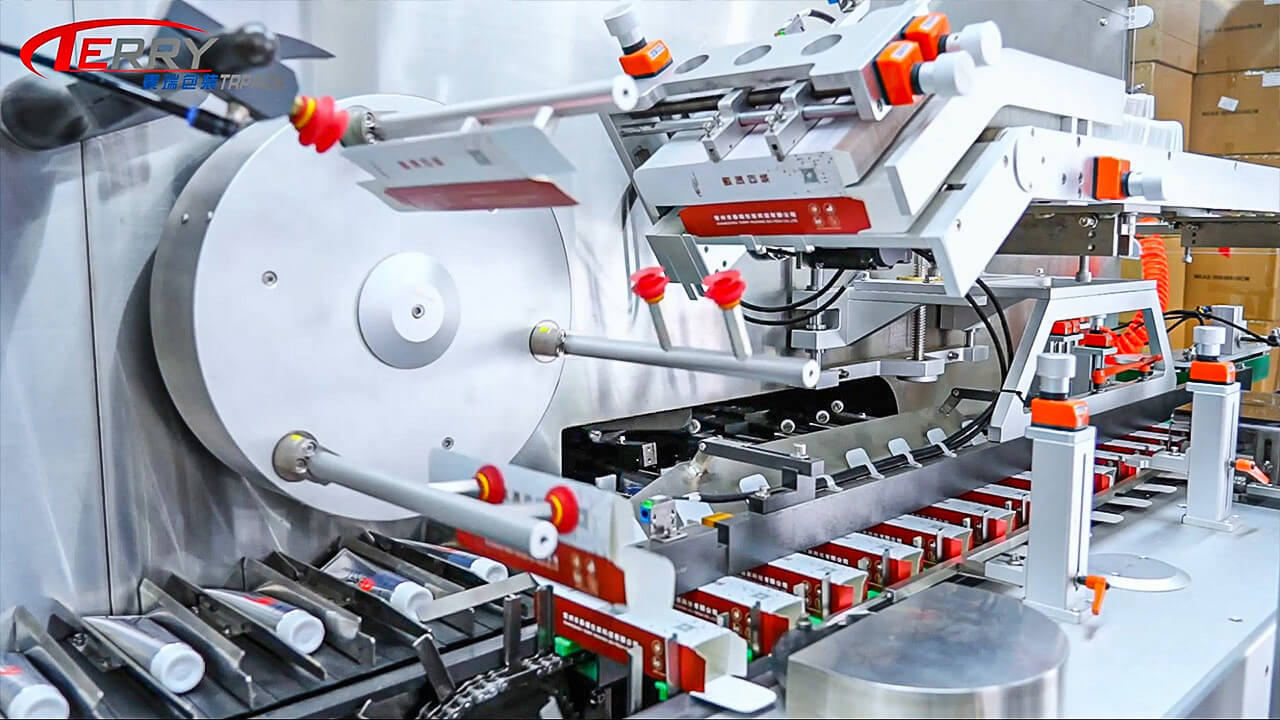
Fully Automatic High-Speed Tube Machine; Fully Automatic High-Speed Carton Machine.
Application Scenarios: Facial Cleanser, Hand Cream, Tube Ointment, Eye Cream.

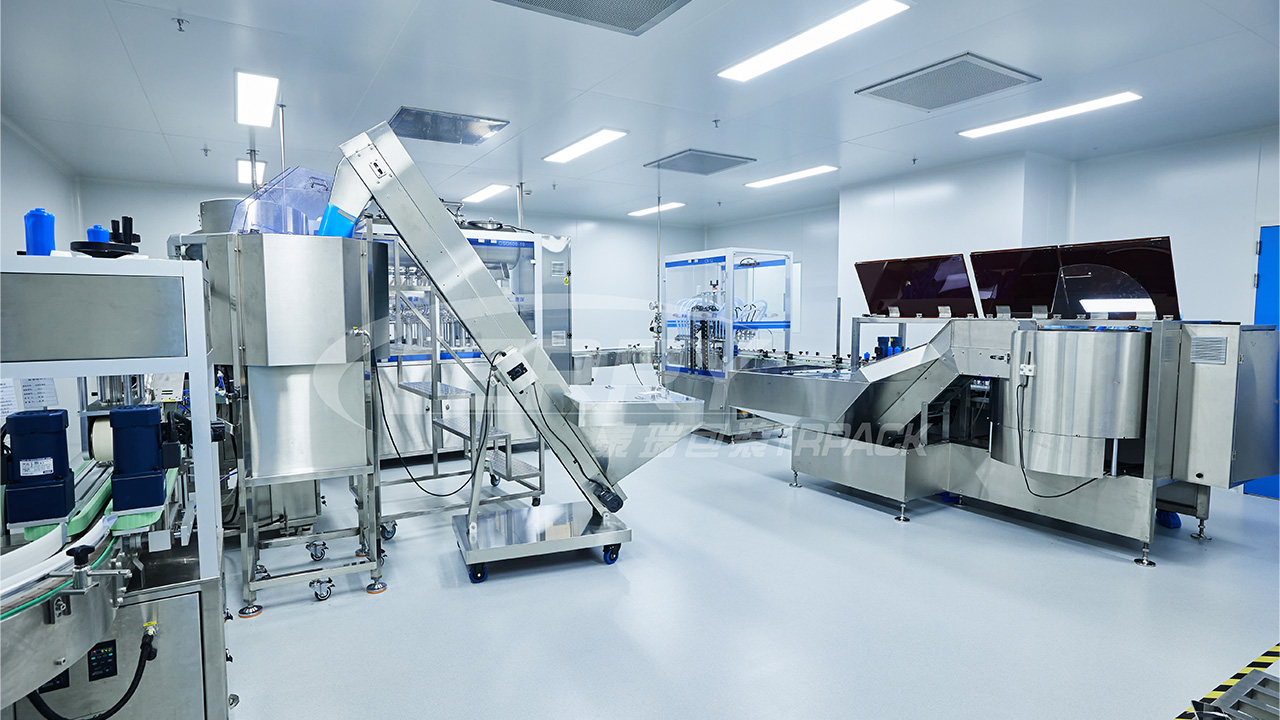
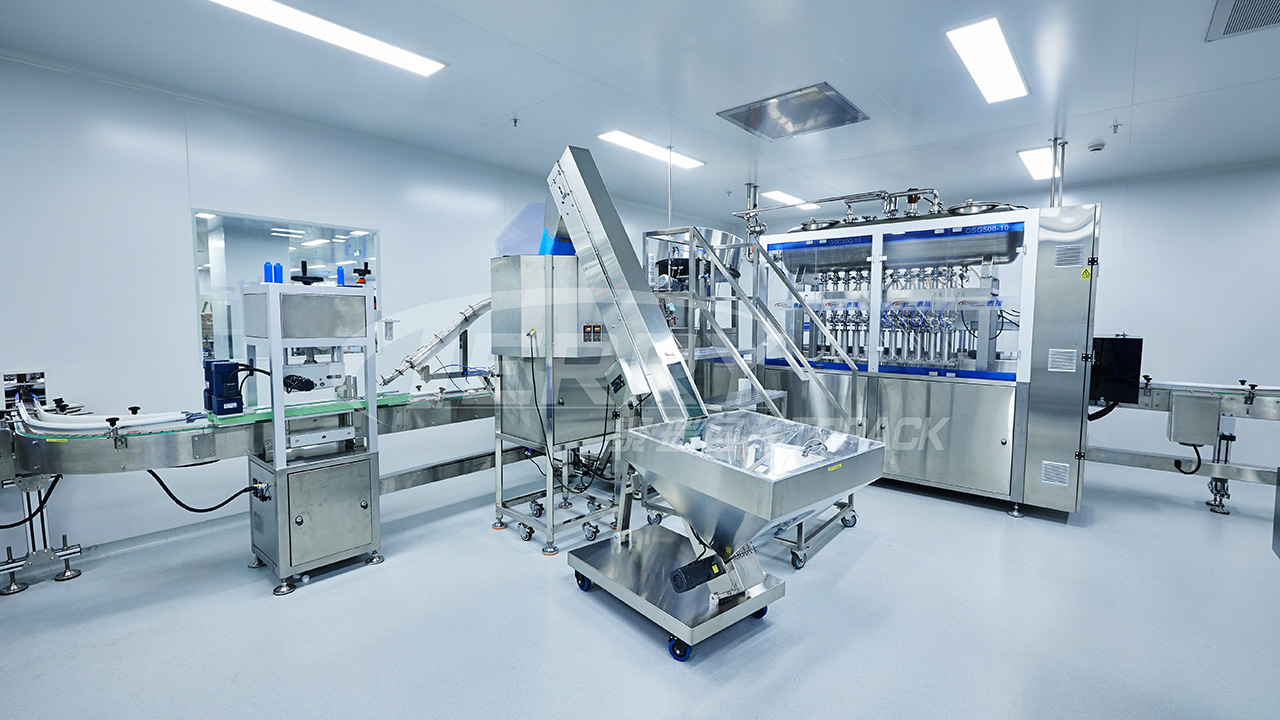
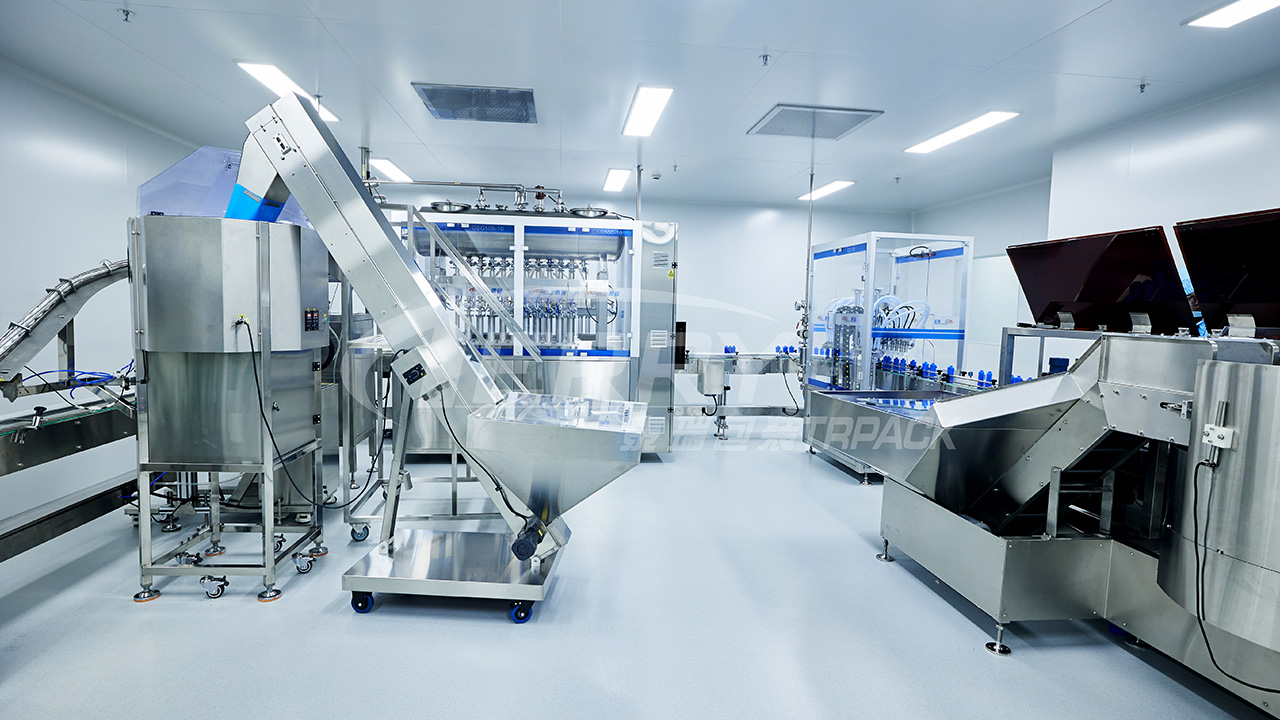
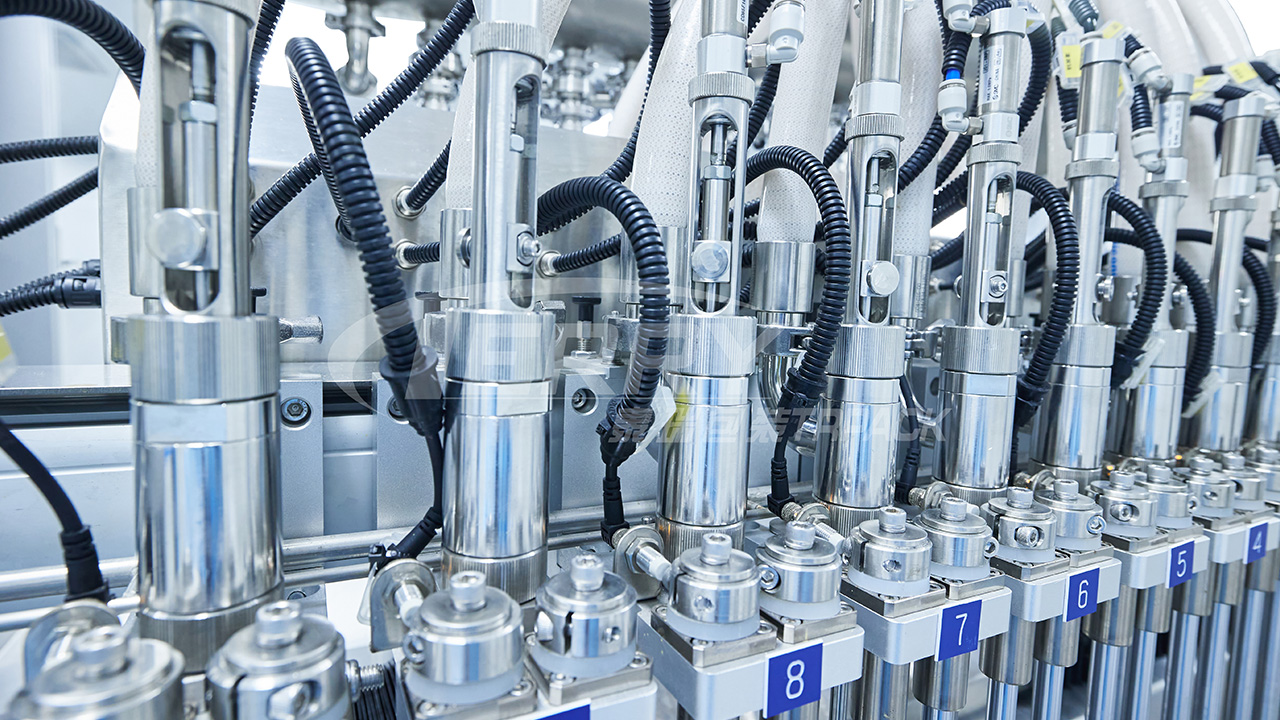
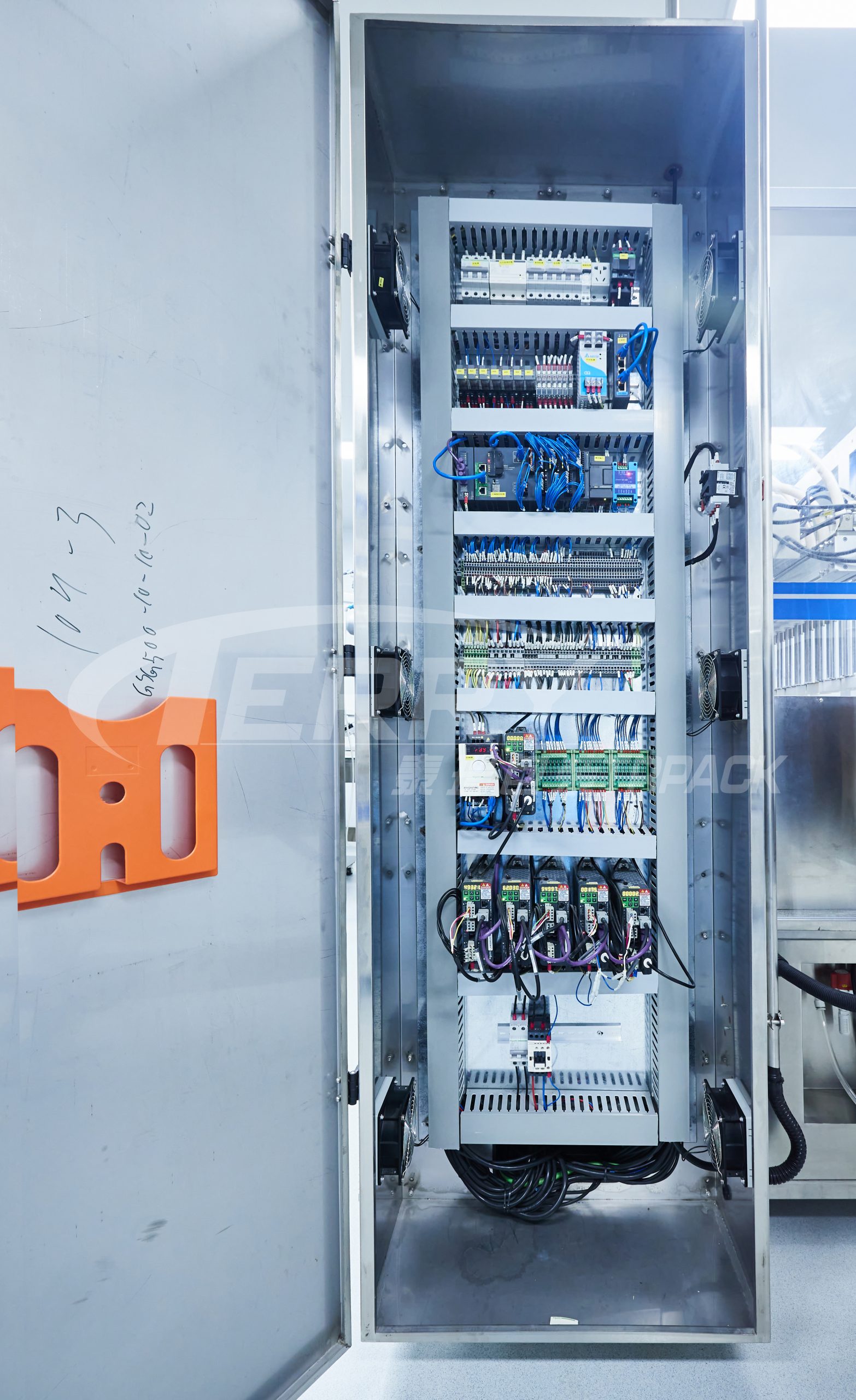
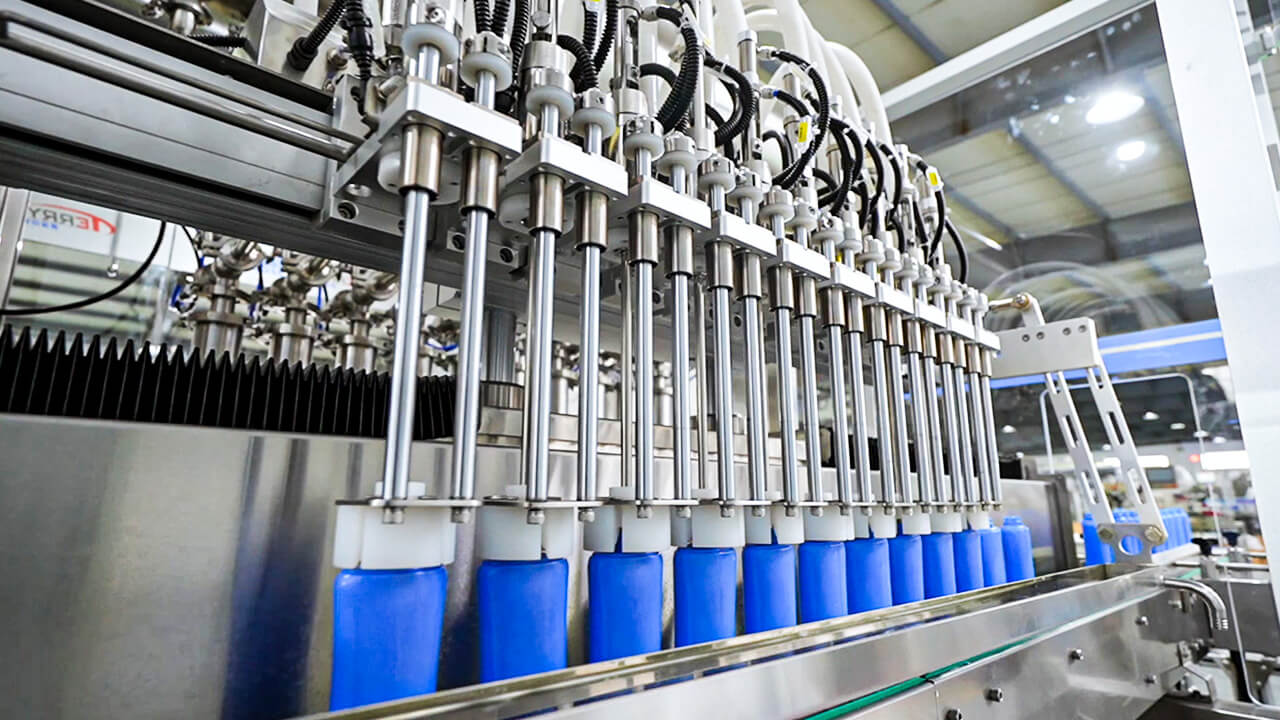
Automatic Bottle Sorting Machine, In-Line Blowing And Suction Machine, Ten-Head Continuous Filling Machine, Bottle Sorting And Butterfly Cap+ Capping Machine.
Application Scenarios: Pharmaceutical Shampoo, Skin Medication Lotion.

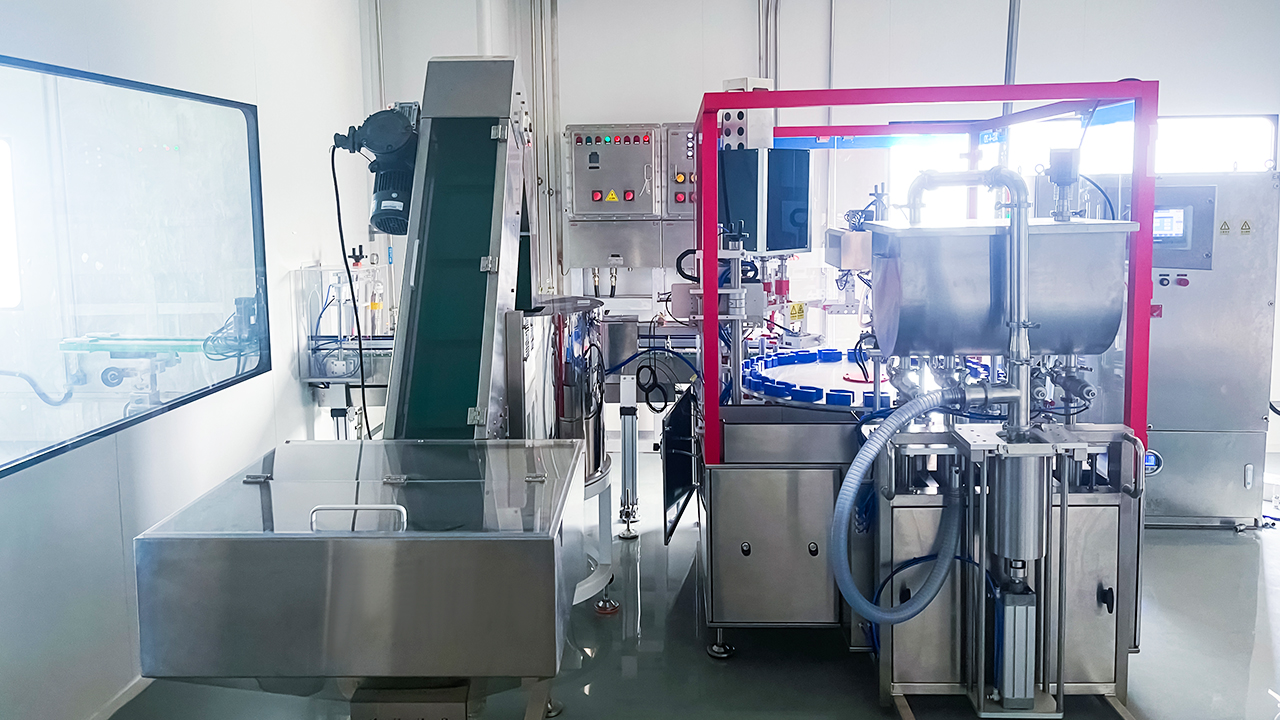
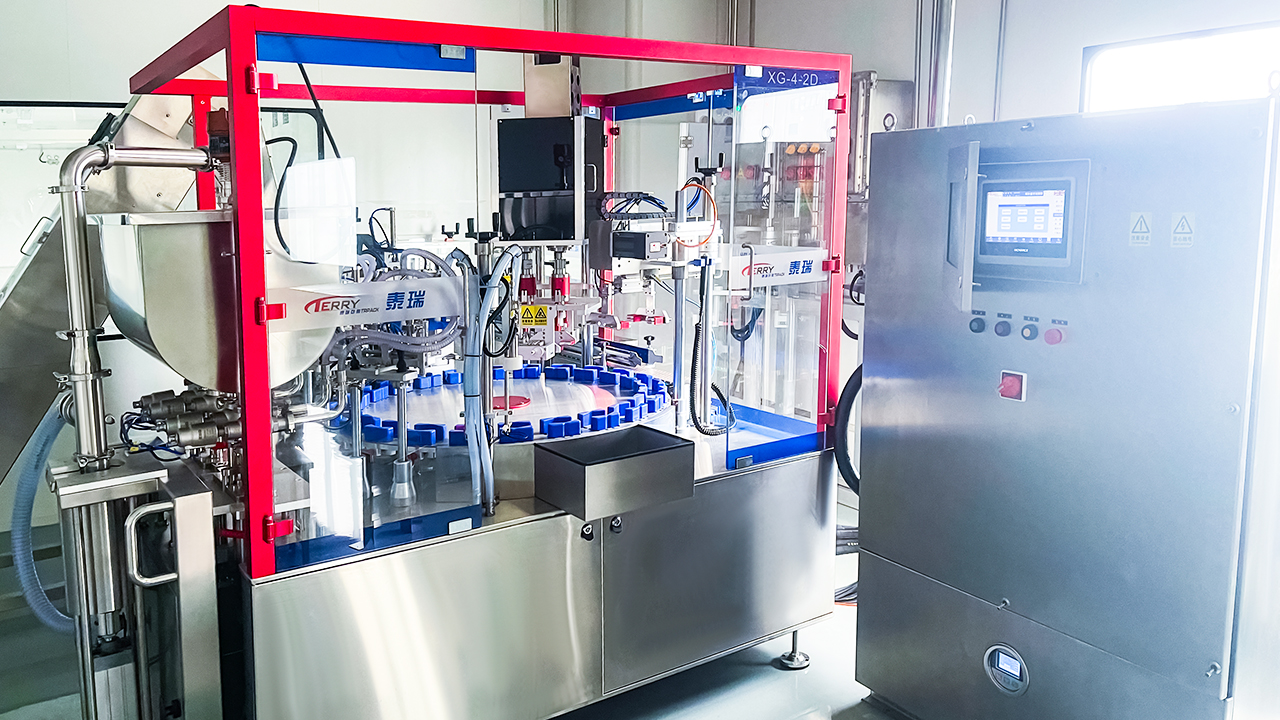
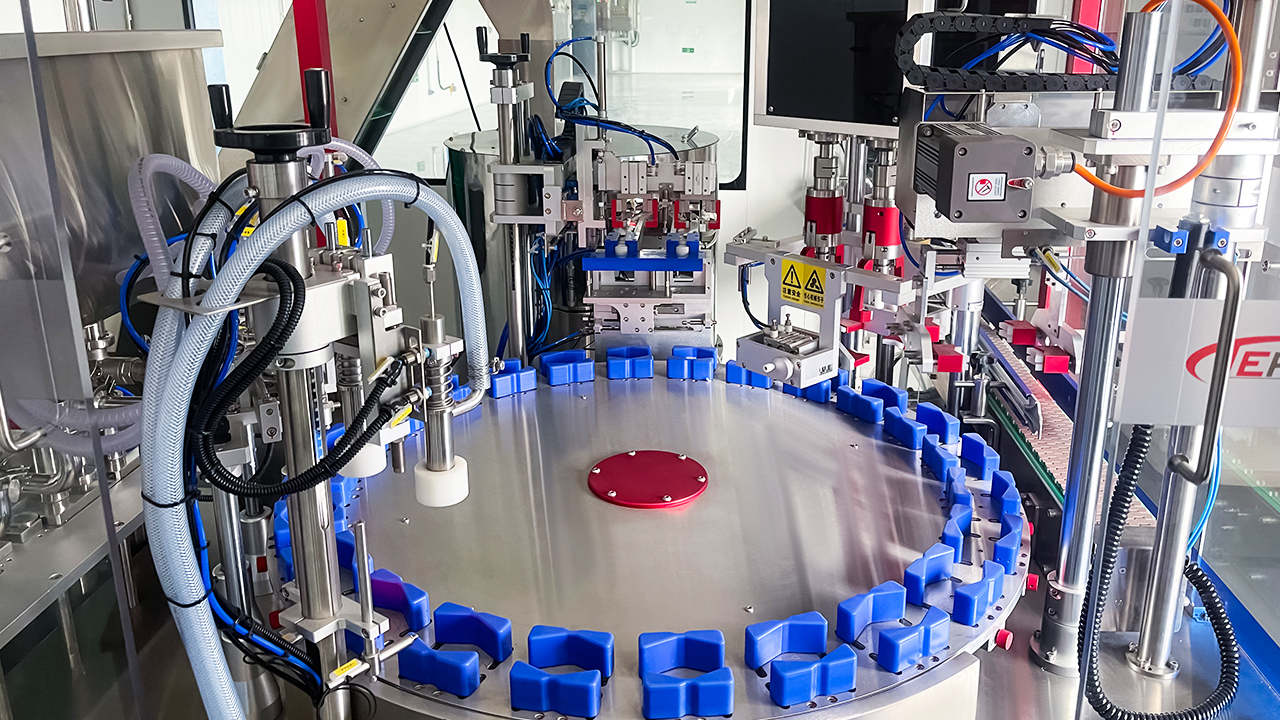
Explosion-Proof Electrical Cabinet, Fully Automatic Explosion-Proof Rotary Filling And Capping Integrated Machine.
Application Scenarios:Alcoholic Disinfectants, Alcoholic Hand Sanitizers, Alcoholic Sprays.


