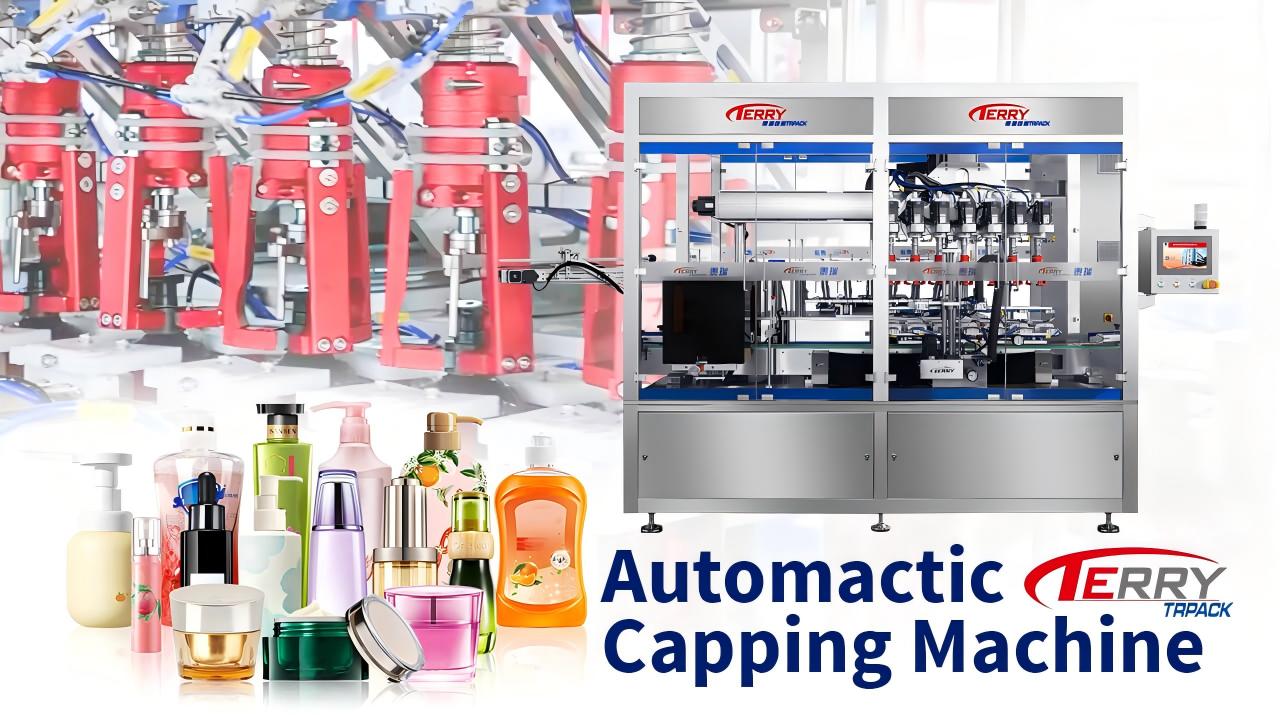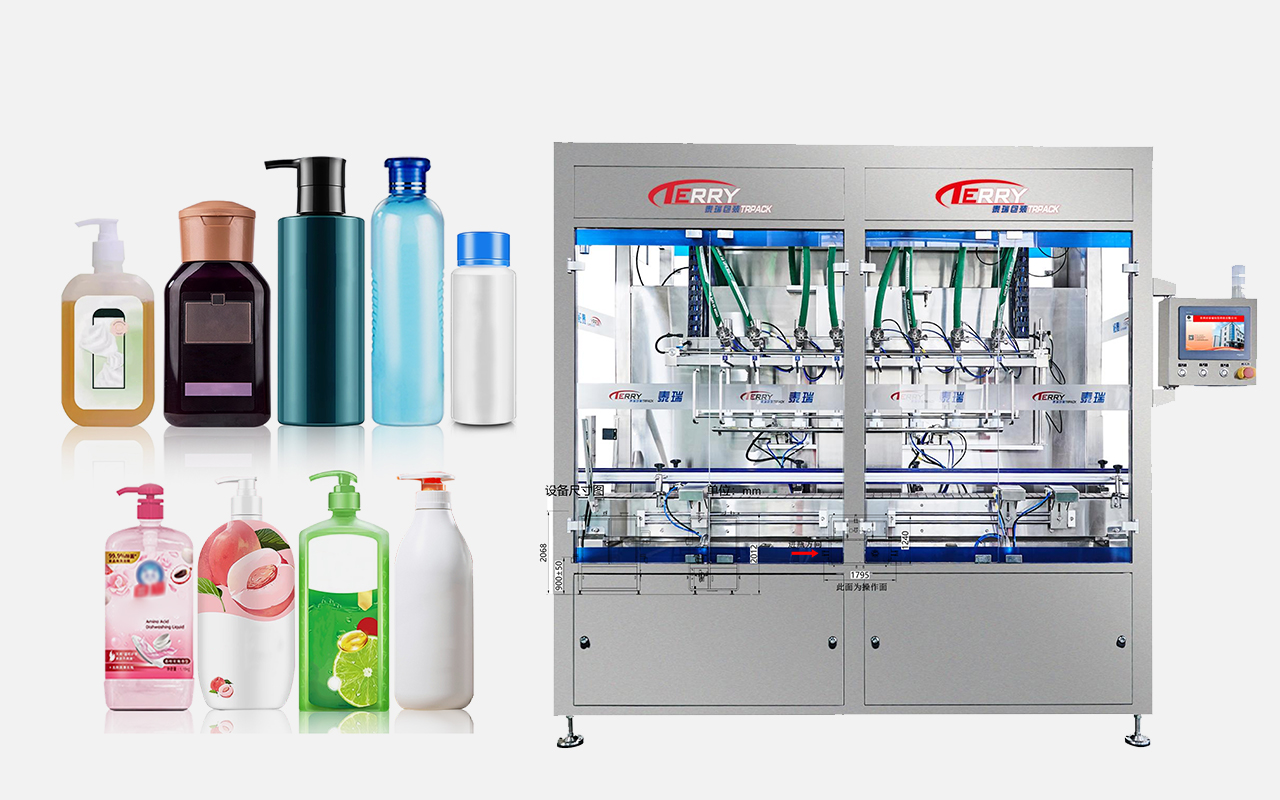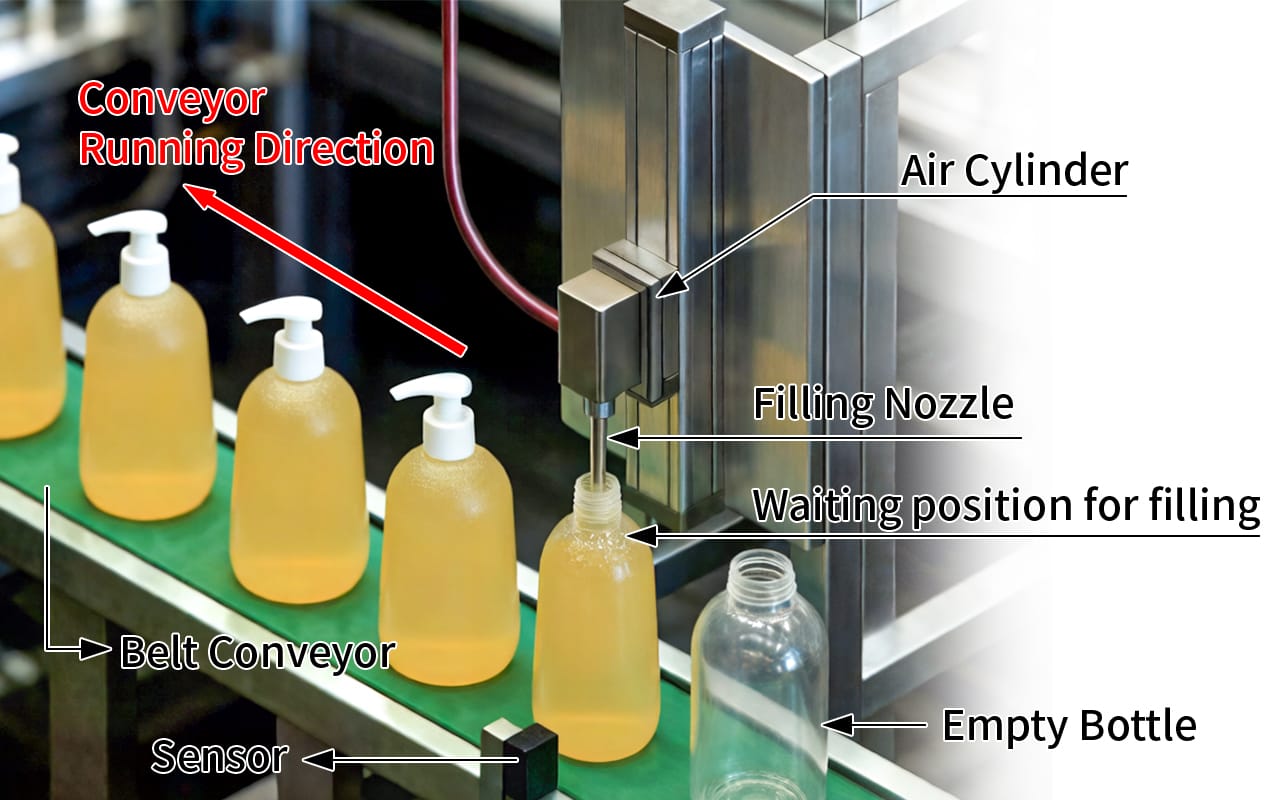
Why Follow-Up Capping Technology Is Redefining Modern Packaging Lines
In today’s high-throughput packaging environments—particularly in cosmetics, personal care, household and industry cleaning, daily chemicals, and pharmaceutical liquids—traditional intermittent capping machines are increasingly becoming the bottleneck of the entire production line.
A servo follow-up capping machine (also referred to as a continuous motion capping machine or tracking capping system) addresses this challenge by enabling non-stop bottle movement, synchronized torque control, and high-precision sealing—all without sacrificing stability or cap integrity.
This article provides a technical, application-oriented analysis of the full automatic follow-up capping machine, explaining how it works, how it outperforms conventional solutions, and why it has become the preferred choice for manufacturers seeking higher OEE, faster changeovers, and scalable automation.
What Is the Automatic Follow-Up Capping Machine?
Fully automatic servo follow-up capping machine is a linear capping system that completes the entire cap placement and tightening process while the bottles remain in continuous motion.
Unlike stop-and-go capping equipment, the follow-up system uses multi-axis servo control to track the bottle’s movement in real time. This enables the capping head to apply precise vertical pressure and rotational torque during forward motion.
Core Components
- Servo-driven bottle clamping conveyor
- Reciprocating servo follow-up capping module
- Automatic cap sorting and feeding system
- PLC + HMI electrical control system
- Rigid stainless-steel machine frame
This integrated structure enables high-speed continuous capping, even on unstable or lightweight containers.
Follow-Up Capping Machine vs. Traditional Capping Machines. An Efficiency Revolution
From a production engineering perspective, the difference between these two technologies is fundamental.
To illustrate the generational gap more clearly, the table below compares key performance metrics between traditional intermittent capping machines and follow-up capping machines:
| Comparison Item | Follow-Up Capping Machine | Traditional Capping Machine |
| Capping Working Mode | Continuous Motion: Continuous follow-up capping, synchronous tracking. | Intermittent Stop:Intermittent capping requires a pause after the bottle reaches its position. |
| Conveyor Status | Never Stops:The conveyor belt operates at a constant speed, ensuring seamless integration between preceding and subsequent processes. | Stops During Capping:Frequent starts and stops are required, which affects the overall line efficiency. |
| Cap Handling | Automatic Capping Sorting, and Synchronized Cap Gripping. | Manual or Semi-auto |
| Capping Speed | 60–100 bottles/min (Single Capping Head) | 16–32 bottles/min (Dual Capping Station) |
| Line Integration | Excellent (linear layout) | Limited |
| Production Efficiency | High. Compatible with high-speed filling lines | Low to medium. Impacting overall line capacity |
| Torque Control | Precision Adjustable: Servo Motor + Torque Closed-Loop | Uneven Tension: Mechanical friction plates are prone to wear. |
| Change Production | Mechanical components must be replaced manually, which takes over 30 minutes. | One-click recall saved templates. Effortlessly complete tasks within 5 minutes. |
| Applicable Caps and Bottles | In addition to universal screw caps, compatible with various press-on caps, child-resistant caps, tamper-evident caps, mist spray caps, pump caps, duckbill caps, etc. | Standard bottles and common round caps only |
It is evident that by eliminating bottle dwell time, the continuous motion follw up capping machine significantly boosts production efficiency while reducing mechanical stress on both bottles and caps.
Working Principle of a Servo Follow-Up Capping System
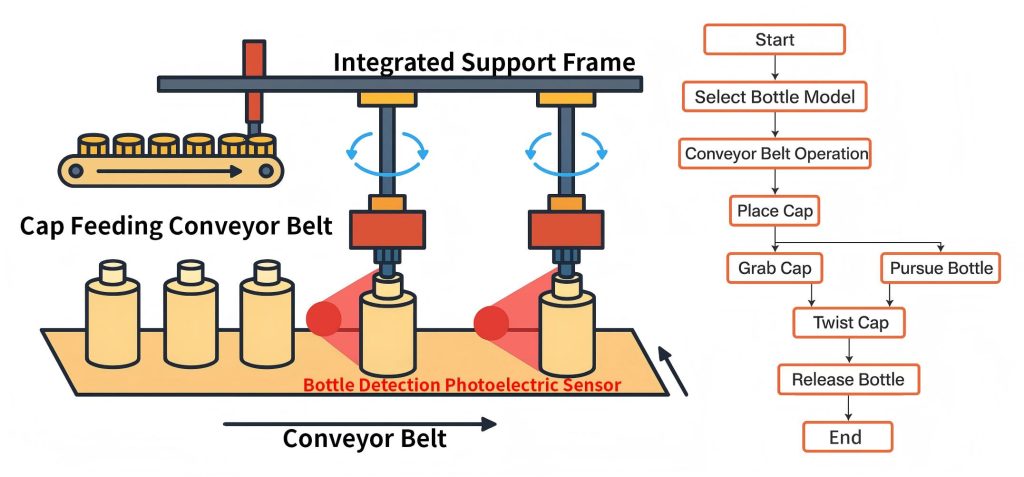
The operation process can be summarized in six synchronized steps:
- Bottles are conveyed into the clamping conveyor and stabilized.
- Caps are oriented and delivered to the pick-up position by the cap feeder.
- The servo capping head grips a cap and moves into a standby position.
- Sensors detect the incoming bottle and trigger tracking mode.
- The capping head moves horizontally at the same speed as the bottle, while simultaneously descending to engage the cap.
- Servo torque control tightens the cap precisely, after which the head returns to pick up the next cap.
This horizontal-vertical servo coordination is the technical core of the follow-up capping machine and the key reason it achieves stable, high-speed sealing.
Performance Advantages
1. Servo Torque Control for Consistent Sealing
- Adjustable tightening torque;
- Prevents bottle deformation and cap damage;
- Ideal for plastic, aluminum, and specialty caps.
2. High-Speed Continuous Production
- No conveyor stops;
- No waiting time between bottles;
- Optimized for integrated filling-capping lines.
3. Intelligent PLC + Touchscreen Operation
- One-button recipe switching;
- Parameter memory for different bottle formats;
- Real-time alarms and fault diagnostics.
4. Automatic Cap Handling & Safety Logic
- No bottle, no capping;
- No cap, automatic stop;
- Reverse caps are automatically rejected.
Structural & Design Features
- Fully servo-driven system: height adjustment, tracking speed, and torque are all servo-controlled
- Quick changeover design: only minimal cap molds need replacement
- Recipe storage: saved parameters can be recalled instantly
- Stainless steel construction: hygienic, corrosion-resistant, industrial-grade durability
This makes the machine particularly suitable for frequent SKU changes and multi-product manufacturing environments.
Application Scenarios & Compatibility
A follow-up capping machine is suitable for a wide range of bottle and cap types:
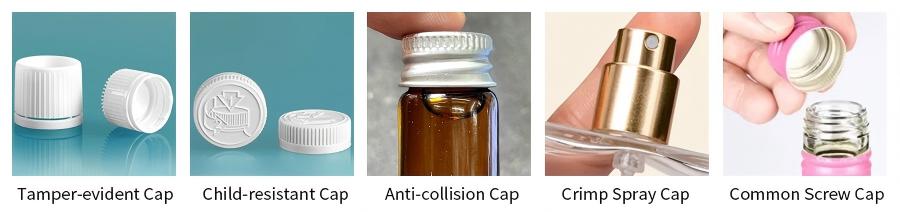
Supported Cap Types
- Tamper-evident Caps
- Child-resistant Caps
- Anti-collision Caps
- Crimp Caps
- Screw Caps
- Press-in Caps
- Specialty Pump and Spray caps
Cap Specifications
- Diameter: Ø20–Ø80 mm
- Height: 10–40 mm
Bottle Size Range
- Length: 160–360 mm
- Width: 140–260 mm
- Height: 250–500 mm
Industrial Applications
Industries commonly using high-speed follow-up capping machines include:
- Cosmetics & skincare
- Personal care & detergents
- Household chemicals
- Pharmaceutical liquids
- Health & hygiene products
Why Choose the TRPACK Follow-Up Capping System?
By the end of 2025, TRPACK’s follow-up capping machines have been successfully deployed across numerous global customer production sites. When integrated with TRPACK’s filling and packaging equipment, they significantly enhance clients’ production efficiency. TRPACK assigns dedicated technical support teams to every customer we serve. Choose TRPACK for rapid machine setup, swift production ramp-up, fast changeovers, and expedited delivery!