One-stop Filling and Packaging Solutions for the Household Cleaning Industry

TRPACK is ready to tackle any household cleaning filling and packaging challenge!

  • Manufacturers of household cleaning products—including detergents, disinfectants, floor and glass cleaners, and spray solutions—face challenges such as foaming liquids, corrosive formulations, multiple bottle formats, high production demands, and rising labor costs.

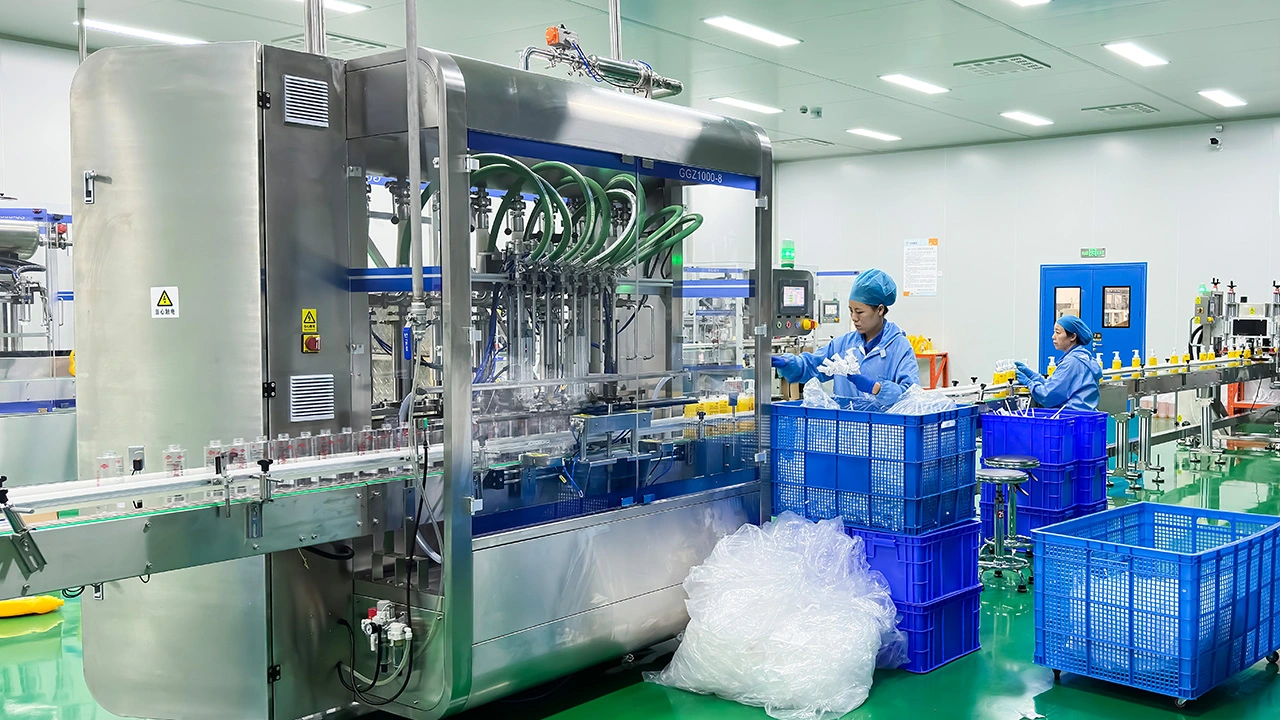
  • As a professional manufacturer and solution provider of filling and packaging equipment, we deliver fully automated, corrosion-resistant production lines integrating bottle feeding, precision filling, capping, labeling, and packaging. Our intelligent PLC-controlled systems ensure stable high-speed operation, consistent quality, and flexible configuration, helping global B2B customers reduce waste, lower operating costs, and scale production for international markets.

Applicable for various shapes and material bottles

We can provide solutions for these products.....
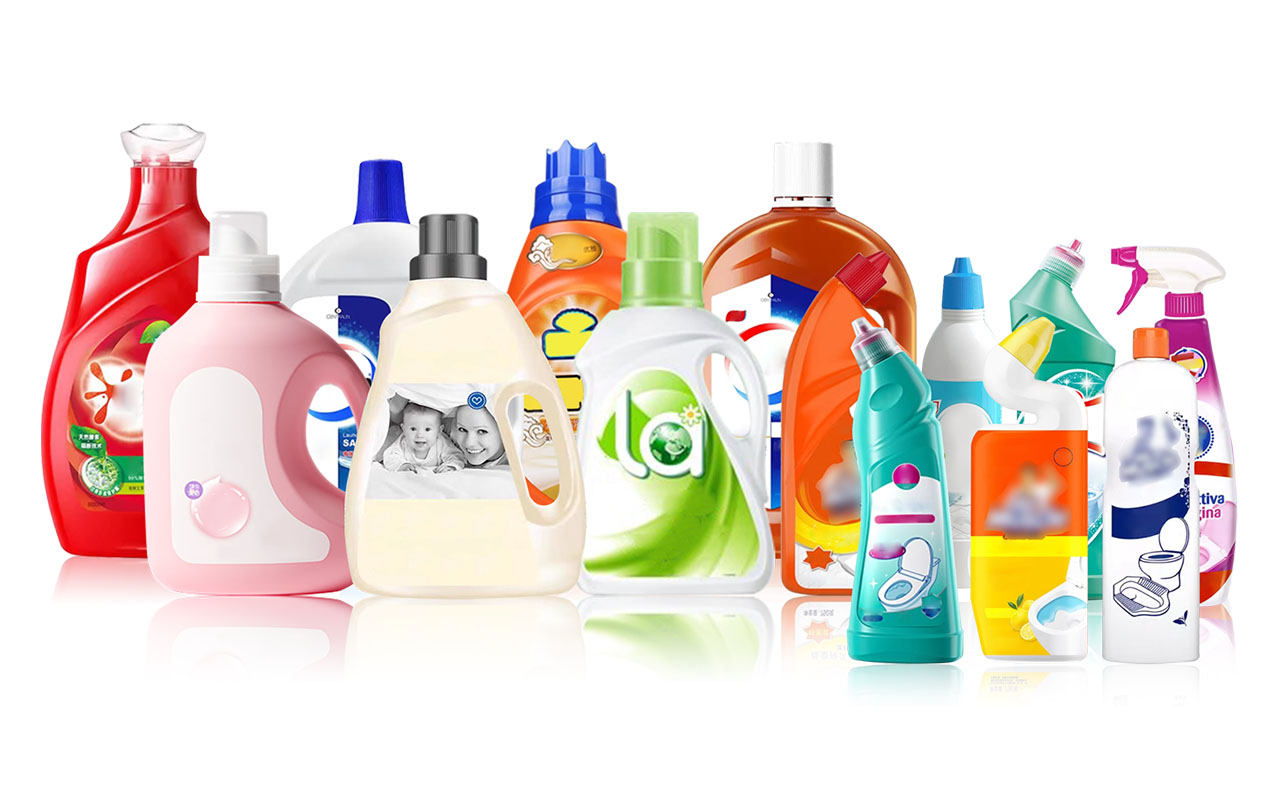
TRPACK Household Cleaning industry applicable bottles

  • Toilet Cleaner
  • Window Cleaners
  • Floor Cleaners
  • Bathroom Cleaner
  • Mold Remover
  • Drain Cleaner
  • Grease Remover
  • Furniture Cleaner
  • Air Freshener
  • Pet Stain Remover

Customer Pain Points

Problem with Household Cleaning Filling and Packaging Industry

High reliance on manual labour. Significant fluctuations in production capacity. Difficulty in ensuring delivery during peak seasons.

The process of packing home cleaning products is lengthy and involves multiple steps, such as sorting bottles, filling them, capping them, sealing them with aluminium foil, labelling them, printing on them with an inkjet printer, wrapping them, boxing them and stacking them.

The traditional model relies heavily on manual, segmented operations, and speed is severely affected by personnel's proficiency, fatigue and absence.

The rhythm is not uniform and there is frequent material handling, which easily leads to the accumulation of semi-finished products. During large-scale e-commerce promotions, peak seasons and bulk procurement orders, manual production capacity increases slowly and is prone to order delays and warehouse overstocking.

There is a wide variety of bottle types, and line change efficiency is extremely low.

The specifications of home cleaning products can vary greatly. For example, laundry detergent comes in 500 ml bottles for portability, as well as household bottles containing 1 kg, 2 kg or 5 kg. Dishwashing liquid mostly comes in 500 g to 1 kg bottles.

Toilet cleaner and oil stain remover are usually supplied in spray bottles with a pointed nozzle or narrow mouth, and significant differences exist in terms of height, diameter and material.

When changing production lines using old manual equipment, it is necessary to replace tools manually and adjust the filling flow, nozzle height and conveyor belt. The time taken to change the line is measured in hours, resulting in a low overall equipment utilisation rate. This is unable to meet the production needs of small batches, multiple SKUs and rapid iteration.

The process connection is disrupted. The production capacities at the front and back ends do not match.

The front-end processes involved in producing household cleaning products, such as mixing ingredients, emulsifying and stirring, are well established and have a stable production capacity. However, the packaging process oft en becomes the bottleneck of the entire production line. Manual operation is slow and involves a lot of material transfer, which makes it difficult to package and store the liquid products quickly after production is complete. This leads to storage tanks being occupied, work-in-progress accumulating, and an increase in capital and warehousing costs.

The filling accuracy is insufficient and the measurements are non-compliant, resulting in wasted raw materials

Manual or simple semi-automatic equipment is used for filling, making it difficult to stabilise the dosage, which can lead to insufficient net content, overfilling and leakage. 

Most household products are subject to measurement inspection. If the net content does not meet the required standards, regulatory penalties, platform removal and consumer complaints will be incurred.

Excessive leakage wastes raw materials and corrodes equipment, contaminating the workshop floor and increasing cleaning costs.

The sealing reliability is poor and leakage problems frequently occur

The viscosity of laundry detergent and dishwashing liquid is high. Manual capping requires uneven force, which easily leads to incomplete capping or slipping. Toilet cleaner and oil stain remover contain acidic and alkaline components and require more robust sealing.
Inadequate sealing can result in leakage during storage and transportation, which can corrode the outer packaging and contaminate other goods. This can result in customer complaints and returns.
Some products require aluminium foil sealing. Manual film application can be uneven, resulting in unreliable sealing and potentially leading to volatilization, failure and bacterial contamination.

Strong corrosive and irritating components pose risks to safety and hygiene

For example, the toilet cleaner contains hydrochloric acid, while the oil cleaner contains strong alkalis and solvents.
Direct contact with these substances can easily irritate the skin and respiratory tract. Spillage of the liquid can make the workshop floor slippery, posing a risk of slipping.
Additionally, frequent contact between the bottle mouth and inner lid and human hands can easily introduce dust and debris. Although home cleaning products are not intended for consumption, they still need to comply with hygiene production standards to avoid complaints about foreign objects.

The lack of standardization in the labels and markings makes it challenging to meet the channel entry requirements

Supermarkets, e-commerce platforms and cross-border channels all have strict label requirements for household cleaning products. These must clearly indicate ingredients, standards, the production date, the shelf life, warning words, the manufacturer's information and emergency handling methods.
Manual labelling is prone to errors such as skewing, bubbles, wrinkles, double labelling and omissions, while inkjet printing can be blurry or incomplete, which can result in products being unable to enter the market or being subject to platform inspections and removal.
Some cross-border products also require multilingual labels, and it is even more difficult to ensure consistency with manual labelling.

Cost of labour is constantly rising and the labour supply is unstable

Household cleaning is repetitive, arduous and slightly irritating work. Staff turnover is high, and the costs of recruitment, training, social security, accommodation, food and beverages, and management are increasing year on year.
At the same time, multiple shift s are required, and labour expenses account for a large proportion of production costs. A labour shortage will also directly affect production capacity.

High material loss and difficult control of hidden costs

Manual operation errors lead to bottle damage, label scrapping, packing box crushing damage, and spillage of liquid; high rework and scrap rates for defective products, as well as low utilization rates of packing materials and raw materials.
Leakage products also incur hidden costs such as returns, claims, and brand damage.

Production data is lagging behind, and management is lax

Capacity, yield rate, material usage, equipment failure rate and energy consumption per product are all recorded manually. These errors make it impossible to monitor production status in real time.
Production scheduling, cost calculation and equipment failure prediction are all difficult to optimise. Production management relies on experience and is unable to achieve precise control.

Technical Highlights & Solutions

Why choose TRPACK as your household cleaning filling packaging partner?

High-speed, continuous operation breaks through capacity bottlenecks

The assembly line achieves fully automated, continuous production, eliminating the need for manual handling and transfer. It has a stable and controllable production rhythm and can operate uninterrupted for 24 hours.
The liquid filling line can produce several dozen bottles per minute, which is much higher than manual efficiency. It can easily handle peak orders, bulk procurement orders, and e￾commerce promotions, ensuring orders are delivered on time and resolving capacity bottlenecks at both ends of the production line.

Modular quick-change design is flexible and adaptable to various categories and
specifications

With servo control systems, quick-disassembly fixtures and one-click parameter storage and switching, changeover time for different capacities, bottle types and material packing can be compressed from hours to minutes.
The production line can simultaneously accommodate various forms, such as bottles, bags, supplementary packaging, spray bottles, concentrated products and combination sets. This makes it perfect for producing household cleaning products in small batches with multiple SKUs and rapid iteration.

Integrated operation enhances the overall utilisation rate

The automated packing line can connect seamlessly with front-end batching, mixing and conveying systems to achieve full-chain integration, from preparing raw materials to storing finished products. This reduces the inventory of work in progress and improves the overall efficiency of the production line and equipment OEE.

Fully automatic sealing process completely solves the problem of leakage

The capping force is constant and uniform because the equipment is equipped with an automatic capping machine and a torque control system. Problems of slipping and incomplete capping are thus eliminated. If aluminium foil sealing is required, an online sealing machine is also provided to ensure a tight and flat seal.
This fundamentally resolves the issue of leakage during storage and transportation, thereby reducing the risk of returns and claims.

Reduce human contact to enhance production safety

Full automation operation means that personnel only need to be responsible for monitoring, maintaining and changing the line, which significantly reduces direct human contact with strong acids, strong alkalis and irritating cleaning agents, and lowers occupational health risks. The equipment is fitted with protective doors, an emergency stop button, a leakage alarm and an anti-slip design to reduce safety hazards caused by slippery floors and chemical contact in the workshop. At the same time, it reduces the
risk of introducing foreign objects by humans, in line with production hygiene standards.

Online intelligent inspection ensures compliance of labels and appearance

Integrating visual inspection, weight inspection, liquid level inspection, and barcode reading system, it can automatically identify: missing bottles, insufficient filling, abnormal liquid level, improper capping, failed sealing, tilted or missing labels, unclear inkjet printing, incorrect or missing installations, etc., and automatically reject defective products. Ensuring that labels, warning messages, production dates, etc. are complete and clear, meeting the entry requirements of supermarkets, e-commerce, and cross-border channels.

Reduce reliance on human resources and cut overall costs

The automated production line significantly reduces the number of frontline operational roles, requiring only a few personnel to manage and maintain the equipment. This directly reduces expenditure on salaries, social security contributions, training and management, while also addressing staff turnover and labour shortages that lead to production instability.

Reduce material waste and increase utilization rates

Standardized, precise operations reduce the spillage of liquid materials, damage to bottle bodies and the scrapping of labels and cartons. They also significantly lower the defective product rate.
The utilization rate of raw and packing materials increases. At the same time, costs associated with returns, rework and claims due to leakage are reduced, providing effective control of hidden losses.

Data-driven intelligent management enables precise operation

The system collects real-time data on production volume, pass rate, usage of consumable materials, equipment status and fault alarms, and generates visual reports.
This allows enterprises to monitor production conditions in real time, optimize production scheduling plans, accurately calculate unit costs and predict equipment maintenance needs.
They can also shift from experience-based, extensive management to data-driven, precise management.

Extensive Project Experience

Related Client Case Show

Atmospheric Pressure Self-Flow Filling Machine, Single-Head Rotary Cap Sealer At Both Ends, Insert-Type Rotary Cap Sealer, Aluminum Foil Sealing Machine.

Application Scenarios: Laundry Detergent, Dishwashing Liquid, Floor Cleaner, Gold Silk Clothing Soft ener.

Video
Play Video

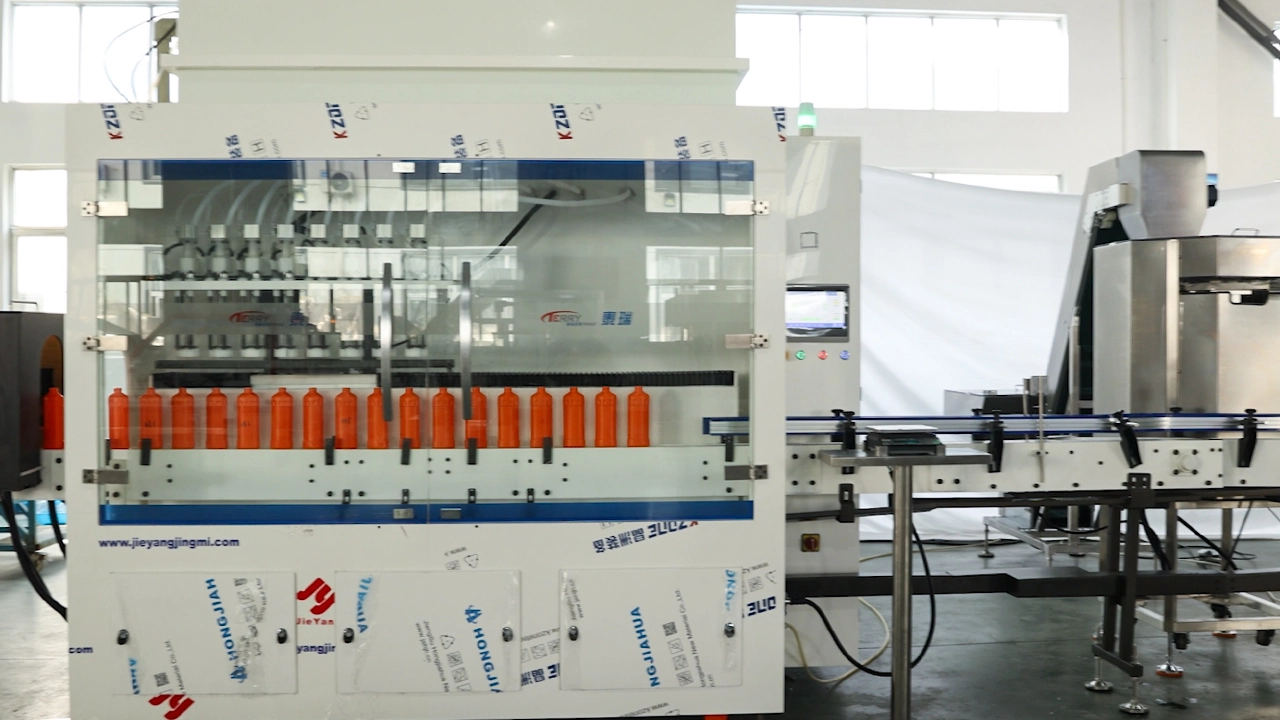
Six-Head Gear Pump Attached to the Filling Machine; Insertion-Type Pump Cover Capping Machine.

Application Scenarios: Dishwashing Liquid, Kitchen Grease Remover, Laundry Detergent, Household Cleaner.

Video
Play Video

Eight-Head Tracking Anti-Corrosion Gear Pump Filling Machine, Automatic Top Cover Sorting Loading Machine, Insert-Type Capping Machine.

Application Scenarios: Toilet Cleaner, Grease Remover, Disinfectant and Sterilizing Solution Conditioner.

Video
Play Video
Complete Variety of Categories

TRPACK's Recommended Products

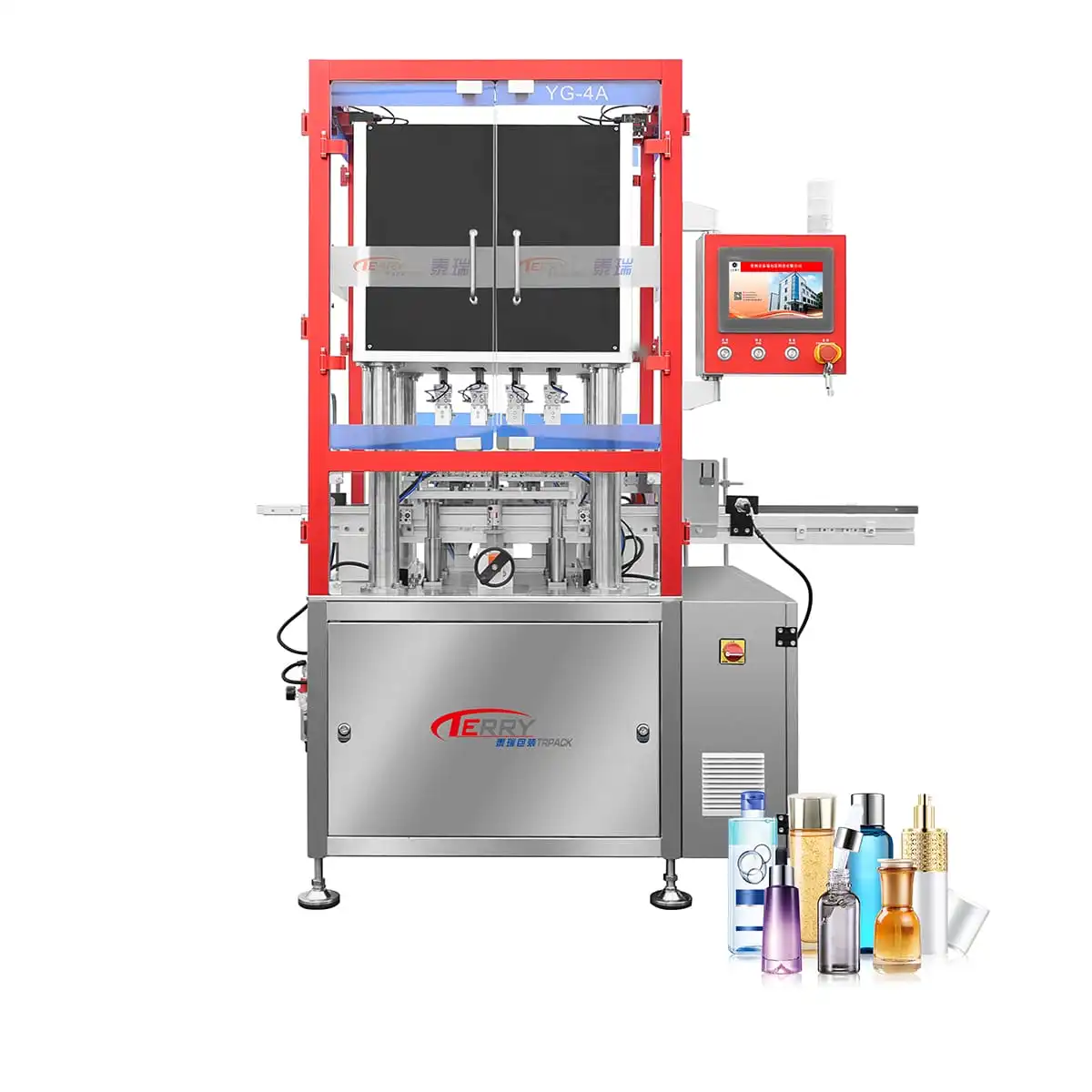
TR-XG-2S Automatic Inner Plug Placing and Pressing Machine

TR-XG-2S Automatic Inner Plug Placing and Pressing Machine

The TR-XG-2S Capping Machine is the latest integrated tracking servo motor capping machine from TRPACK. The equipment adopts the independent tracking form of servo cap securing. The entire machine consists of the cap-securing mechanism, the conveying mechanism and the control system. The overall structure of the machine is simple, easy to adjust, has high production efficiency and strong versatility.
Detail
TRPACK Carton Erecting and Sealing Machine

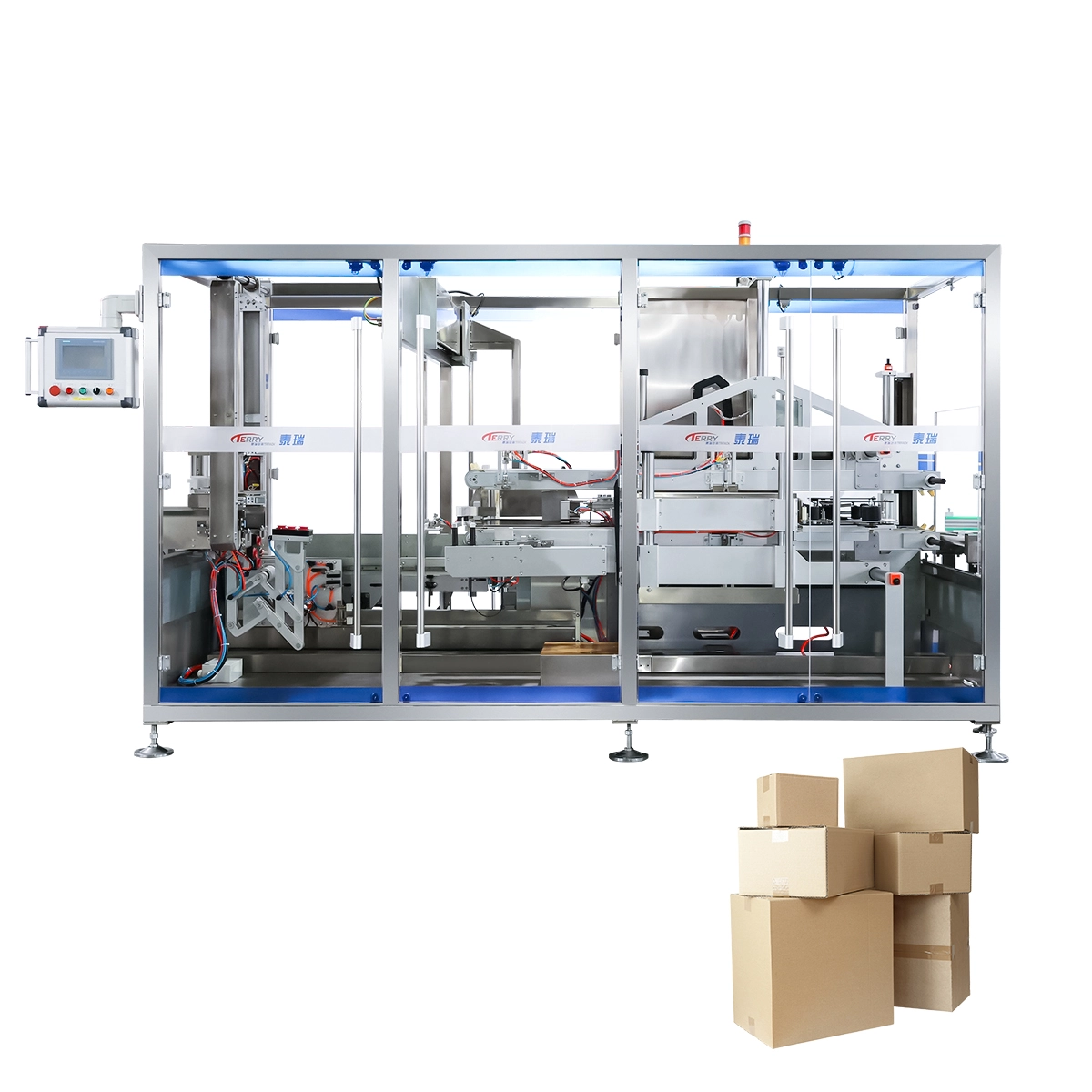
KZF-1D Automatic Carton Erecting and Sealing Machine

This machine is an integrated machine for carton opening, packing and sealing. It is controlled by PLC + touch screen. It significantly reduces the occupied space, is convenient for operation, management, and reduces the number of production personnel and labor intensity. It is an indispensable equipment for large-scale automated production. The open-pack-seal integrated machine can automatically shape and arrange the packaging materials, load them into the opened cartons, and complete actions such as tape sealing. This is a packing equipment where all operations are completed automatically. This machine adopts a new combined structure, including functions such as the carton forming device, the row stacking device, the filling device and the sealing device, which respectively complete corresponding functional actions. All devices are installed on the same main frame. The box blank frame on the upper side of the filling device is above the forming device. The filling device is below the forming device, the row stacking device is in front of the filling device, and the sealing device is behind the filling device.
Detail
TRPACK Collaborative Robotic Palletizing Workstation

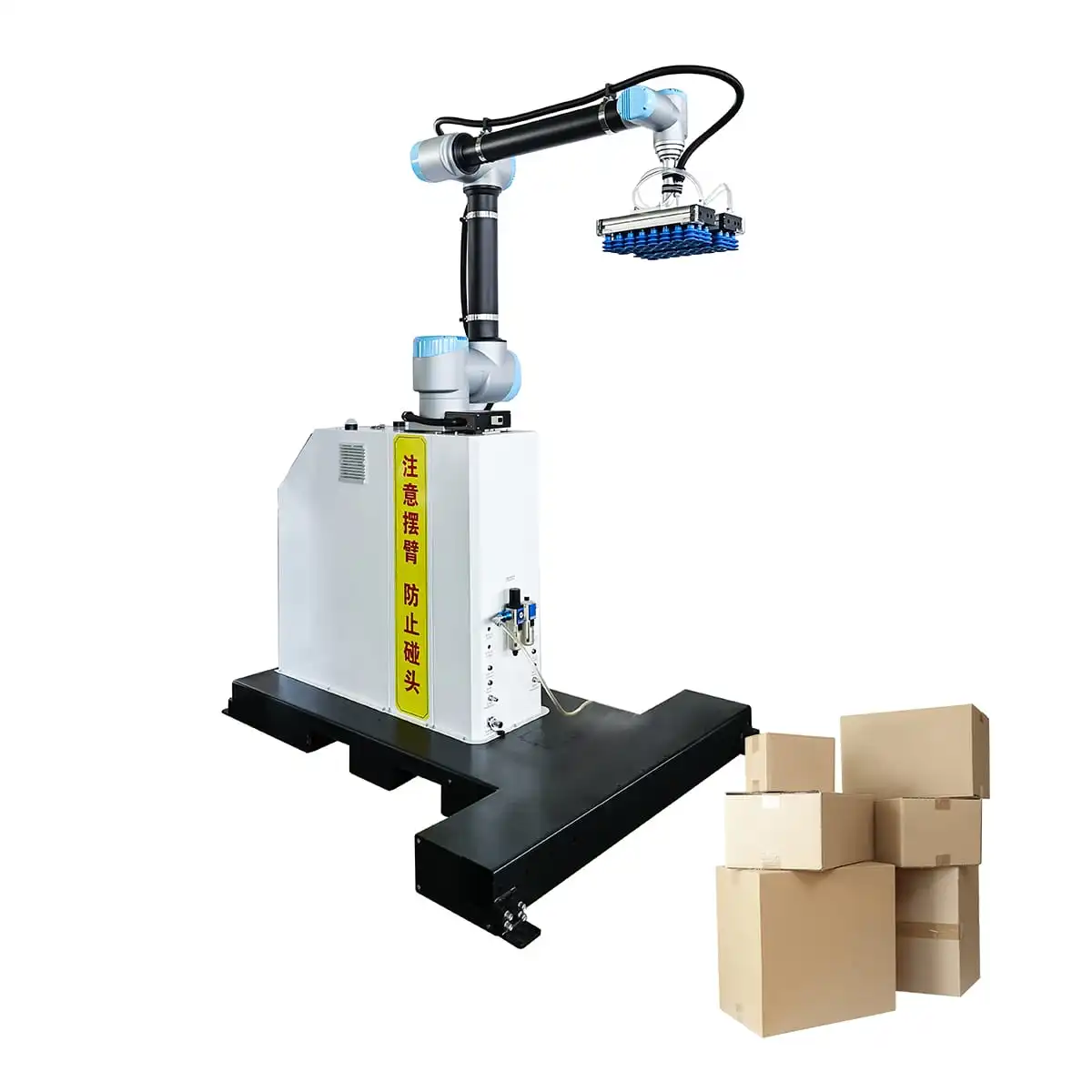
Automatic Collaborative Robotic Palletizer

Compared to traditional industrial robots, collaborative robots mainly feature safety, low cost, and ease of use. One of the main selling points of collaborative robots is their flexibility and openness. Collaborative robots provide a rich library of scripting language extensions, and by utilizing the characteristics of scripting languages, the software can achieve higher scalability and portability, resulting in richer and more flexible functionality. Collaborative robots can play many roles, typically service roles and industrial roles. Service-oriented collaborative robots are used in public places to provide information, transport goods, or provide security protection.
Detail
UV Laser Marking Machine

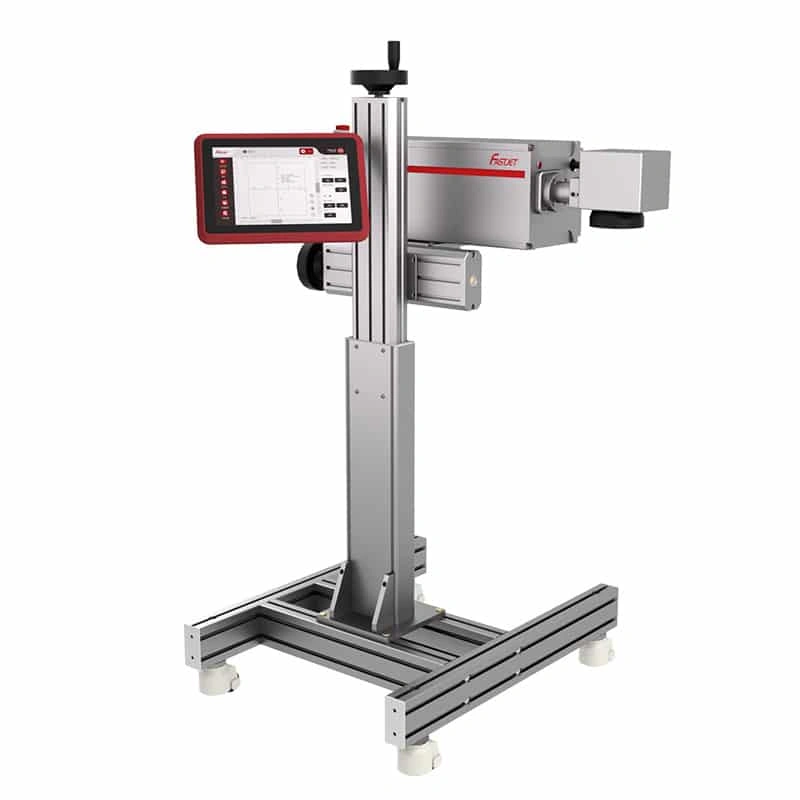
UV Laser Marking Machine

This UV laser marking machine utilizes a high-energy 355 nm ultraviolet wavelength laser beam. With this specialized hardware design, the laser marker accommodates diverse application requirements across numerous industries and product types. It delivers clear, aesthetically pleasing, high-quality laser markings on surfaces including food, tobacco products, pharmaceuticals, electronic devices, chemical packaging, building materials, painted metal surfaces, glass, metal, plastic, and polymer materials. Key advantages include a small focal spot, minimal thermal effects, and low deformation.

Detail