Why Personal Care Brands Are Rebuilding Their Filling and Packaging Lines in 2026
The Personal Care Market Is Growing, but Production Complexity Is Growing Faster
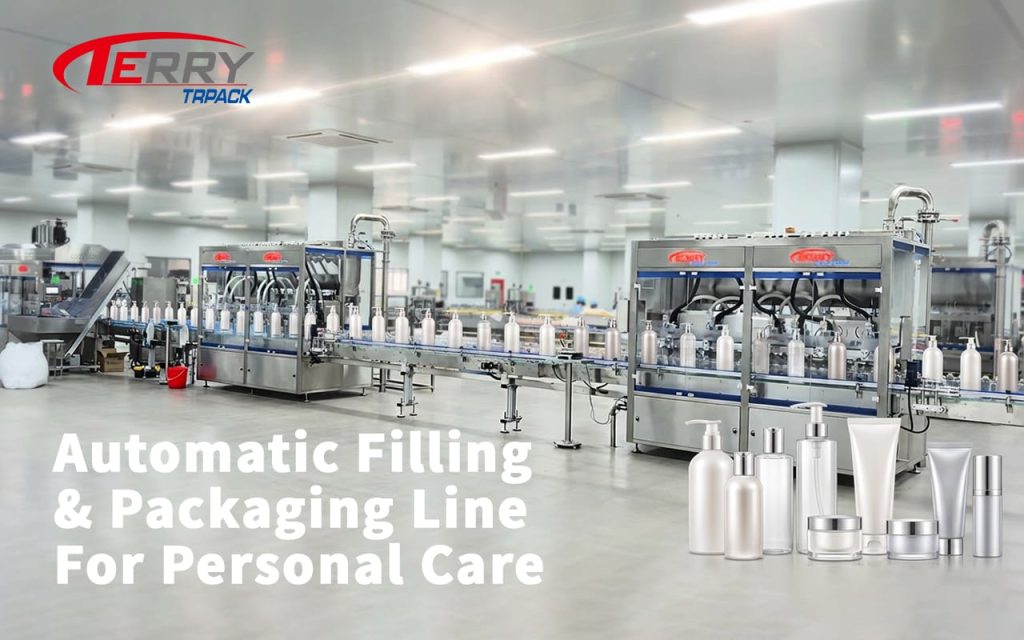
As someone with 20 years of industry experience, I believe that today’s modern personal care product manufacturers and brands require a flexible filling and packaging line—one capable of handling shampoos, lotions, creams, serums, bottles, tubes, and refill pouches all on a single platform.
Let me show you some data.
In the past year of 2025, the global personal care and hygiene sector. Insights from Google Trends and “Think with Google” reveal that “Skin-intellectualism”—alongside the philosophy of personalized skincare—has emerged as a dominant force, driving an explosive surge in the number of product SKUs across the industry. Consumer demand for niche, efficacy-driven ingredients has skyrocketed, with search interest for related terms soaring by over 120% year-on-year. Amidst this landscape, manufacturers and brands can no longer sustain their operations by relying solely on a handful of “star products.” For these entities, the complexity of production is now expanding at a pace far exceeding that of sales volume growth; they must adapt to a new market normal characterized by “high-variety, small-batch“ production.
For example:
A personal care factory no longer produces one shampoo in one bottle size. Today, the same production line may need to run:
- 250 ml shampoo bottles
- 500 ml refill pouches
- Travel-size 50 ml body wash
- Thick hair mask jars
- Airless serum bottles
- Seasonal gift-pack SKUs
- OEM and private-label orders for multiple customers
According to Mordor Intelligence and official industry forecasts, the global personal care market is projected to maintain its robust growth trajectory through 2026, with a Compound Annual Growth Rate (CAGR) expected to consistently exceed 5.2%. To capitalize on this growth opportunity, forward-thinking brands are actively transitioning from a “mass production” mod
Modern factories need to manage dozens—or even hundreds—of SKUs on a single production line, viscosities, bottle shapes, cap styles, label sizes, and packaging materials all require different filling and packaging settings.
The fastest-growing product categories also create the biggest production challenge:
| Market Trend | Production Impact |
| Travel-size & Sample Packs | Requires frequent volume changes and smaller containers |
| Refill Doypack | Requires new pouch filling and sealing capability |
| Seasonal & Limited-edition Packaging | Increases SKU changeover frequency |
| Private-label and OEM orders | Requires rapid switching between different customer specifications |
| Premium Skin Care Packaging | Requires higher filling accuracy and stricter cosmetic appearance standards |
What Personal Care Manufacturers and Brand Owners Search Before Investing in a New Filling Packaging Line (Typical Questions)
Before purchasing a new personal care filling machine packaging line, manufacturers and brand owners typically focus on one question: can this line support future growth without increasing cost and complexity?
Most common search questions for Personal Care Production Industry in 2026:
- How can we run shampoo, lotion, cream, and serum on one line?
- Can one filling line handle bottles, tubes, refill pouches, and pump bottles?
- How fast can product and packaging changeover be completed?
- How can we reduce labor cost and improve OEE?
- Is the line compatible with PCR bottles, refill packaging, and other sustainable formats?
- Which personal care filling packaging line delivers the best ROI over the next three to five years?
Nowadays, when expanding production lines or upgrading equipment, manufacturers and brands no longer rely solely on a machine’s maximum operating speed as their sole criterion.
Instead, they seek a high degree of flexibility, reduced labor costs, faster line changeovers, and a modern production line capable of keeping pace with—and adapting to—future trends in packaging.This guide breaks down the seven biggest trends shaping personal care filling and packaging lines in 2026. It also shows which filling technologies fit different product types, where manufacturers lose efficiency, and how to choose a production line that supports future growth.
What Types of Personal Care Products Require Different Filling Solutions?
Different personal care formulas require different filling methods. Choosing the wrong technology causes inaccurate fills, leaking containers, excessive bubbles, unstable production speeds, and damaged packaging.
Filling Solution Comparison by Product Type
| Product Type | Typical Examples | Product Characteristics | Recommended Filling Technology | Packaging Type | Main Technical Challenge |
| Low-Viscosity Liquids | Toner, micellar water, mouthwash | Thin, free-flowing, low resistance | Gravity filler or flow meter filling machine | PET bottle, glass bottle | Splashing and unstable fill level |
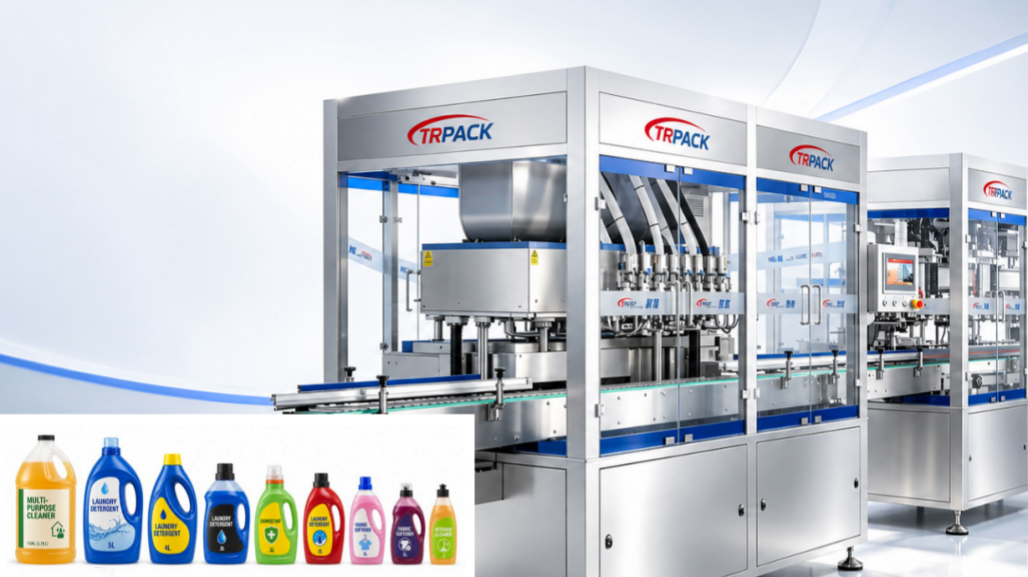
| Medium-Viscosity Liquids | Shampoo, body wash, liquid soap | Moderate viscosity, may foam | Servo piston filler with bottom-up nozzle | HDPE bottle, pump bottle | Foam control during high-speed filling |
| High-Viscosity Creams | Body lotion, hand cream, hair mask | Thick texture, slower flow | Servo piston filling machine or lobe pump filler | Jar, squeeze tube, airless bottle | Maintaining filling accuracy with thick products |
| Paste and Dense Products | Scrub, clay mask, styling wax | Contains particles or very high viscosity | Hopper piston filler with agitator | Wide-mouth jar, tube | Product bridging and poor product flow |
| Foaming Products | Facial cleanser, foam wash, mousse base | Easily creates bubbles | Diving nozzle filling machine with slow-fill profile | Pump bottle, foaming bottle | Air trapped inside container |
| Hot-Fill Products | Petroleum jelly, balm, wax-based cream | Needs elevated temperature | Heated hopper filling machine | Jar, tin, tube | Product solidifies during filling |
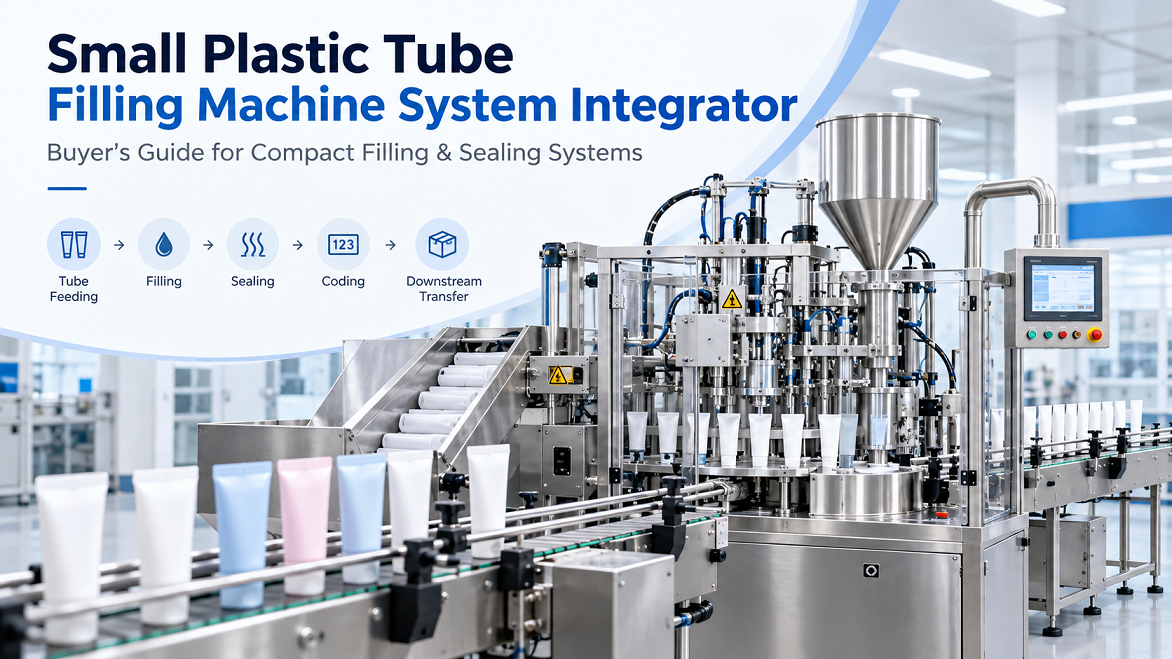
| Refill Products | Refill pouch shampoo, refill body wash | Flexible packaging, high output demand | Multi-head pouch filling and sealing line | Stand-up pouch, doypack, sachet | Pouch alignment and seal quality |
Trend 1 – Flexible Filling Machines For Personal Care Products Are Replacing Single-Product Machines
Personal care brands no longer want one machine for one product. They want one line that can run ten or more SKUs.
Increasingly demand flexible packaging line for OEM ODM Fastory that can switch between:
- Lotion and body wash
- Large retail packs and travel sizes
- Round, Square, Oval, Irregular Bottles, Jars
- Tubes, Refill Pouches, and Sachets
- Pump Bottles, Trigger Bottles, and Flip-Top Caps, Pump Caps
What Flexible Filler Packaging Line Need in 2026?
1. Servo Recipe Memory:
Operators should save filling volume, conveyor speed, capping torque, and label position in the PLC. One-touch recipe recall reduces changeover time from 45 minutes to less than 10 minutes.
2. Tool-Free Change Parts:
Modern personal care packaging lines use quick-release star wheels, adjustable guide rails, and hand-tightened fixtures. This reduces downtime and prevents operator errors.
3. Multi-Container Compatibility
The best machines or packaging lines can run:
- Round bottles
- Oval bottles
- Square bottles
- Airless pump bottles
- Tubes
- Refill pouches
without replacing the entire machine platform.
Trend 2 – More Precision Required for High Viscosity Lotion and Cream Filling Machine
Lotion and cream products create the highest rejection rate in personal care filling lines. Thick formulas move slowly. They trap air. They also react differently when temperature changes.
A body lotion may fill perfectly at 25°C but become too thick at 18°C. A hair mask may leave residue in the nozzle and cause underfilling after 30 minutes of operation.
Crore Technical Solutions for Thick Personal Care Products
1. Servo Piston Filling with Diving Nozzles
Diving nozzles move down into the bottle during filling. This reduces bubbles and prevents splashing.
2. Heated Hopper and Jacketed Pipeline Design
For wax-based creams or petroleum jelly, heated hoppers keep the product at a stable temperature throughout the filling process.
3. No-Drip Shut-Off Valves
Stringing and dripping are common with thick cream formulas. Pneumatic or servo shut-off valves eliminate product waste and keep bottles clean before capping.
4. CIP Filling System Product Contact Parts
According to GMP and FDA sanitary design guidelines, all product-contact surfaces should use:
- 316L stainless steel
- Hygienic quick-clamp connections
- Polished internal surfaces
- Dead-angle-free piping
This design shortens cleaning time and reduces contamination risk.
Trend 3 – Sustainable or Refill Packaging Compatibility Is Becoming a Purchasing Requirement
Why More Personal Care Brands Are Switching to Eco-Friendly Packaging?
Common Packaging Lines Trends Include:
- PCR bottle compatible filling line/Refill Pouch Filling
- Mono-material refill pouches
- Lightweight PET containers
- eco friendly personal care packaging line
- Paper-based secondary packaging
These materials are more difficult to run on standard filling lines.
The Main Problems with Sustainable Packaging
| Sustainable Package Type | Common Production Problem | Machine Upgrade Required |
| Thin-Wall PET Bottle | Bottle deformation during gripping | Low-pressure side gripper and servo conveyor |
| Refill Pouch | Poor pouch stability during filling | Servo pouch positioning system |
| PCR Bottle | Slight dimensional variation | Adjustable bottle guides and flexible star wheels |
| Paper Tube | Weak compression resistance | Gentle capping and low-force transfer system |
Why Refill Doypack Pouches Are Growing Fast?
Search interest for refill pouch filling lines and refill packaging machinery has increased because brands want lower material cost and better sustainability positioning.
Refill pouch packaging lines require:
- Precise pouch opening
- Accurate liquid filling
- Nitrogen flushing if required
- Leak-proof heat sealing
- Vision inspection for pouch alignment
Manufacturers that invest in refill packaging capability now will gain an advantage in the next three to five years.
Trend 4 – Smart Filling Machine with MES EPR Integration Packaging Lines Reduce Downtime
Unplanned downtime is one of the biggest hidden costs in personal care manufacturing. A 30-minute stoppage can delay an entire shift.
Modern filling machine packaging lines increasingly include smart monitoring functions.
What Smart Functions Are Most Important on a Personal Care Packaging Line?
- PLC and HMI Recipe Management
- IoT Remote Monitoring
- Real-Time OEE, Downtime, and Production Data
- Alarm History and Predictive Maintenance
Smart Features That Matter Most
1. Real-Time Production Dashboard
- Output per hour
- Filling accuracy
- Machine alarm history
- Reject rate
- OEE performance
2. Predictive Maintenance Alerts
Sensors detect unusual vibration, pressure change, or motor load before a failure happens.
For example, if the capping head torque becomes unstable, the system can warn the operator before caps begin to leak.
3. How Remote Monitoring Reduces Downtime and Maintenance Costs?
Engineers can log into the PLC and diagnose problems without traveling to the factory:
- Faster troubleshooting
- Reduced service visits
- Better spare parts planning
- Preventive maintenance before machine failure
This is especially important for contract manufacturers serving multiple international personal care brands.
Trend 5 – Faster Changeovers Matter More Than Maximum Speed For high Production Efficiency For Personal Care Packaging Line
Before requesting a quote from equipment manufacturers, many brands still start by asking one question: “How many bottles can this machine produce per minute?”
A line that runs 120 bottles per minute but needs 90 minutes to change products may produce less output per day than a line that runs 80 bottles per minute with a 10-minute changeover.
Where Personal Care Factories Lose Time?
- Replacing bottle guides
- Adjusting filling volume manually
- Resetting capping torque
- Cleaning product residue
- Changing labels for different SKUs
What Best-in-Class Changeover Looks Like
| Packaging Line Component | Traditional Changeover Time | Optimized 2026 Changeover Time |
| Filling Volume Adjustment | 15–20 min | 1–2 min |
| Bottle Guide Adjustment | 10–15 min | Less than 3 min |
| Capping Head Change | 20 min | 5 min |
| Labeling Adjustment | 15 min | 3–5 min |
| Full SKU Changeover | 60–90 min | 8–15 min |
The best personal care filling machine packaging lines now prioritize flexibility and uptime over theoretical top speed.
Trend 6 – AI Vision Inspection Is Replacing Manual Quality Control
Retailers and global personal care brands now expect stricter traceability and lower defect rates.
That means inspection systems can no longer be optional.
Why Manual Inspection Is No Longer Reliable for High-Speed Personal Care Lines
Manual inspection speed and pass rates will decline as the production line speed increases.
An operator may correctly inspect the first 20 bottles, then miss defects after several minutes of repetitive work. Fatigue, lighting conditions, and shift changes all reduce inspection consistency.
Common errors committed by operators on high-speed personal care product packaging lines:
- Underfilled in shampoo, lotion, or serum bottles
- Crooked or wrinkled labels
- Missing caps or loose pump heads
- Product leakage around the cap or bottle neck
- Incorrect batch code, expiry date, or QR code
What Can AI Vision Systems Automatically Detect?
- Fill-Level Inspection
- Cap Presence and Cap Tightness
- Label Position and Wrinkle Detection
- Leak Detection and Defective Packaging Rejection
- QR Code, Batch Code, and Expiry Date Verification
Trend 7 – Personal Care Manufacturers Want Complete Turnkey Filling and Packaging Solutions
More and more factory or brands in personal care industry no longer want to purchase a filling machine, capping machine, labeling machine, and case packer from different suppliers.
They prefer a complete turnkey packaging line from one manufacturer.
What a Complete Personal Care Filling Packaging Line Should Include?
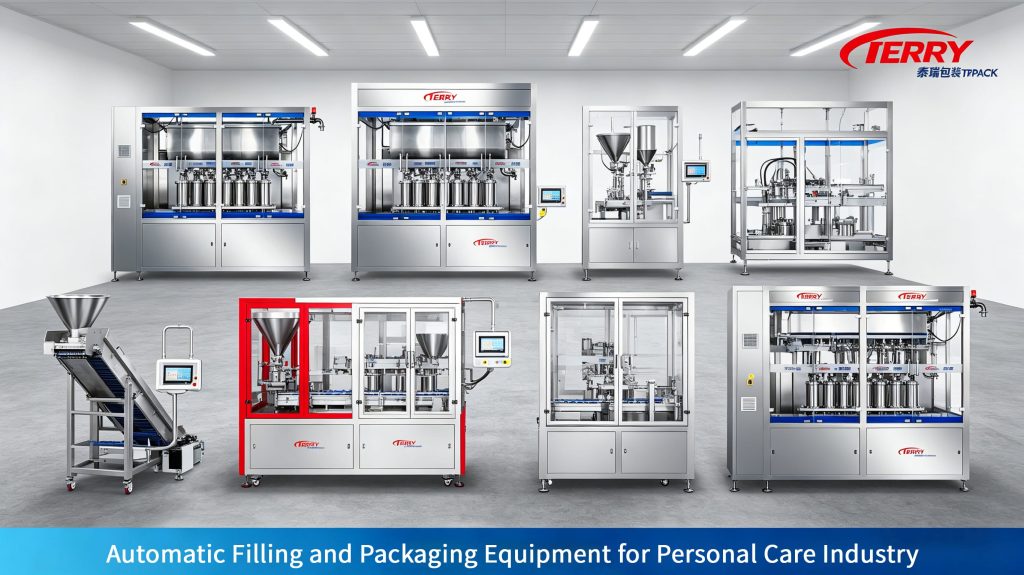
1. Upstream Feeding Equipment
- Bottle Unscrambler
- Automatic Bottle Feeding Conveyor
2. Main Processing Equipment
- Automatic Filling Machine
- Automatic Capping Machine
- Labeling Machine
- Inkjet or Laser Coding System
3. End-of-Line Packaging Equipment
- Cartoning Machine
- Case Packer
- Palletizer
- CIP Cleaning System
- Checkweigher
- Metal Detector
- Vision Inspection System
Why One-Supplier Integration Matters?
A fully integrated supplier can provide:
- Better machine compatibility
- Faster installation
- Unified control system
- Easier maintenance
- Faster spare parts supply
- One service contact instead of multiple vendors
For personal care brands launching new product lines, this reduces project risk and shortens time to market.
How to Choose the Right Full Automatic Filling Machine or Intelligent Packaging Line for Personal Care? (FAQ)
Q1: What Is the Best Personal Care Filling Machine for Shampoo, Lotion, Cream, and Serum?
A1: The best filling machine depends on product viscosity. Shampoo and body wash usually work best with a servo flow meter filler or piston filling machine. Lotion and cream require a servo piston filling machine with diving nozzles. Serum and low-viscosity skin care liquids often require a gear pump or high-precision flow meter filling system. For factories producing multiple products, a flexible personal care filling machine packaging line with recipe memory is the best option.
Q2: Can One Personal Care Filling Packaging Line Run Bottles, Tubes, and Refill Pouches?
Q3: What Type of Filling System Is Best for High-Viscosity Personal Care Products?
Q4: Can AI Vision Inspection Be Added to an Existing Shampoo or Lotion Filling Line?
Q5: How Much Can AI Inspection Reduce Packaging Defects?
Q6: What Is the Best Filling Line for OEM Personal Care Factories With Multiple SKUs?
Q7: Is Your Filling Packaging Line Compatible With PCR Bottles and Refill Pouches?
Q8: How Do You Prevent Damage to Lightweight Sustainable Packaging?
Q9: How Fast Can the Packaging Line Change Between Different Bottles, Pump Heads, and Labels?
Q10: Which Filling Machine Is Best for Small-Batch Personal Care Production?
Q11: Can a Personal Care Filling Line Connect to MES or ERP Systems?
Q12: How Can Smart Monitoring Improve OEE and Reduce Downtime?
Q13: How Many Operators Are Needed for a Fully Automatic Personal Care Packaging Line?
Q14: Is It Better to Upgrade Step by Step or Invest in a Complete Automatic Line?
Q15: What Is the Expected ROI and Payback Period of a Fully Automatic Packaging Line?
Q16: Should Buyers Focus on Machine Price or Total Ownership Cost?
Q17: How Can I Reduce Downtime and Labor Cost in a Personal Care Factory?
Q18: How Do I Choose Between Semi Automatic and Fully Automatic Filling Lines?
Q19: What Certifications Are Required for Personal Care Filling Equipment?
Q20: What Equipment Is Included in a Complete Filling Capping Labeling Line?
Ready to upgrade your personal care packaging line?
TRPACK focuses on the personal care industry, specializing in the research and development of customized filling and packaging equipment and complete production lines. We can help you design a smarter, faster, and more flexible filling packaging solution. From bottle, tube, and pouch filling to capping, labeling, AI vision inspection, and end-of-line automation, our team provides complete turnkey systems tailored to your products, packaging types, and production goals.
Tell us your product viscosity, packaging formats, output requirements, and future expansion plans — and we will recommend the most suitable filling packaging line with layout drawings, technical proposal, and ROI analysis.