Choosing the right cosmetic filling machine is one of the most critical decisions for any cosmetic manufacturer or private-label cosmetic and skincare brand. Using the wrong machine can result in production delays, inconsistent fill volumes, product waste, and costly downtime. The right system reduces labor costs, increases throughput, and ensures consistent quality across every batch.
Whether you’re planning to build a new production line or upgrade an existing one, follow TRPACK’s 9-step guide today to ensure you choose a filling solution that delivers long-term returns on your investment.
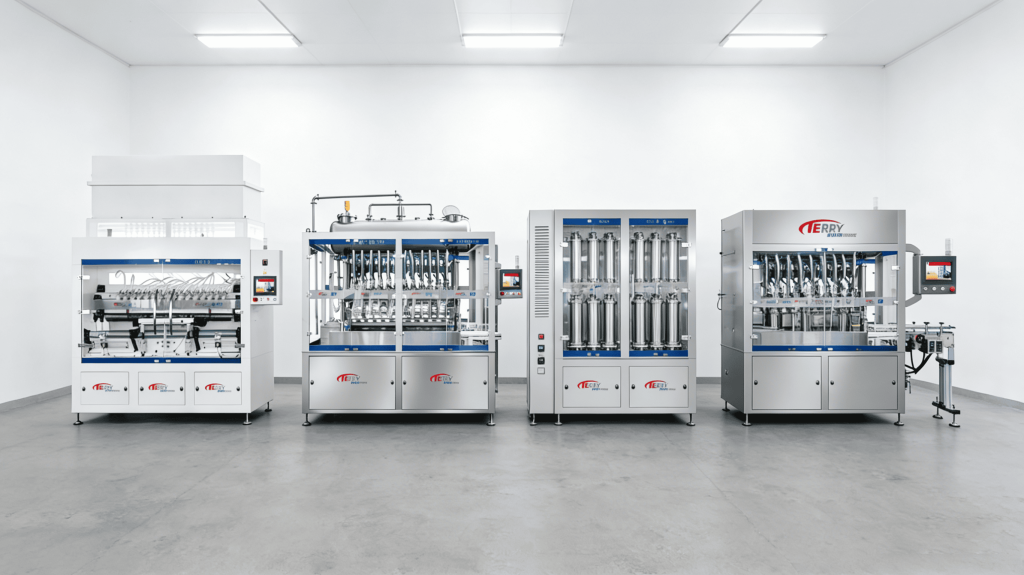
Why Filling Machine Selection Directly Impacts Profitability?
Modern cosmetic production is no longer about just filling bottles. It’s about establishing a stable, scalable process that can support product diversity and regulatory requirements.
Manufacturers Today Face:
- Rising labor costs worldwide
- Shorter product life cycles
- Increasing SKU complexity
- Strict quality standards
- Pressure for faster delivery
A well-matched filling system can dramatically improve operational efficiency.
Example:In 2025, A skincare OEM factory replaced manual filling with a multi-head automatic piston filler. Output doubled while labor requirements dropped by more than 60%.
Step 1 — You Must Understand Your Product Characteristics.
Your formula determines everything. The most common mistake is selecting a machine without analyzing product properties.
Core Factors Include:
- Viscosity
- Flow behavior
- Presence of particles
- Foaming tendency
- Temperature sensitivity
Typical Matching Guide:
| Product Type | Recommended Filling Technology |
| Toner / Serum | Gravity or peristaltic |
| Lotion | Piston filler |
| Cream | Piston or screw filler |
| Gel | Piston or gear pump |
| Scrub with particles | Heavy-duty piston |
High-viscosity materials require positive displacement systems to maintain accuracy.
Step 2 — How To Select the Appropriate Filling Principle?
Piston Filling Machines (Most Common Choice)
Ideal for medium to high-viscosity cosmetics.
Widely Used For:
- Lotions
- Creams
- Shampoos
- Conditioners
- Body wash
Benefits:
- High accuracy
- Stable operation
- Strong adaptability
Gravity Filling Machines
Best suited for low-viscosity liquids.
Advantages:
- Simple structure
- Low cost
- Easy maintenance
Limitations:
- Poor performance with thick products
Pump Filling Machines
Used for specialized applications.
Peristaltic Pump
- Hygienic, contamination-free
- Excellent for pharmaceutical or sterile cosmetics
Gear Pump
- Continuous flow
- Suitable for viscous fluids
Step 3 — Determine The Required Production Capacity.
Production speed is typically measured in bottles per minute (BPM).
Typical Capacity Ranges
- Small Brands: 100–500 BPM
- Medium Factories: 500–2000 BPM
- Large Manufacturers: 2000+ BPM
Higher Output Requires:
- Multi-head filling systems
- Automatic bottle feeding
- Integrated conveyors
Investing in higher capacity early can prevent costly upgrades later, as demonstrated by our integrated conveyors.
Step 4 — Decide On The Automation Level.
Automation directly influences operating cost.
Semi-Automatic Systems
Best Match:
- Start-ups
- R&D production
- Frequent product changes
Characteristics:
- Lower investment
- Operator involvement required
- Flexible
Fully Automatic Filling Lines
Ideal for stable, high-volume production.
Features:
- Automatic bottle handling
- Precise synchronization
- Minimal labor
- Consistent output
Factories targeting global distribution typically transition to full automation.
Step 5 — Evaluate Flexibility for Your Multiple SKUs
Cosmetic brands frequently launch new products. Your equipment must adapt quickly.
Focus on:
- Tool-free changeover
- Adjustable guides
- Recipe memory
- Modular design
Real scenario:A contract manufacturer producing five products per day reduced changeover time from hours to minutes after upgrading to a memory-based system.
Step 6 — Check Hygiene and Compliance Requirements.
For cosmetics sold internationally, compliance is essential.
Important standards:
- GMP design
- FDA-compliant materials
- Sanitary construction
- Clean-in-place capability
Equipment designed with hygiene in mind reduces the risk of contamination and simplifies audits.
Step 7 — Consider Maintenance and Cleaning Efficiency.
Cleaning often causes downtime, not mechanical failure.
Core features that improve uptime:
- Quick-release components
- Minimal dead zones
- CIP systems
- Easy disassembly
A well-designed machine can cut cleaning time by more than half.
Step 8 — Analyze Total Cost of Your Production Line’s Ownership.
Do not evaluate based only on purchase price.
Include:
- Labor savings
- Energy consumption
- Maintenance cost
- Production increase
- Scrap reduction
A higher-end system often delivers faster ROI.
Step 9 — Choose a Reliable Supplier and Integration Capability
For most manufacturers, the filling machine must work within a complete packaging line.
Evaluate suppliers based on:
- Engineering experience
- Customization capability
- Global installations
- Technical support
- Spare parts availability
A partner capable of delivering a turnkey solution significantly reduces project risk.
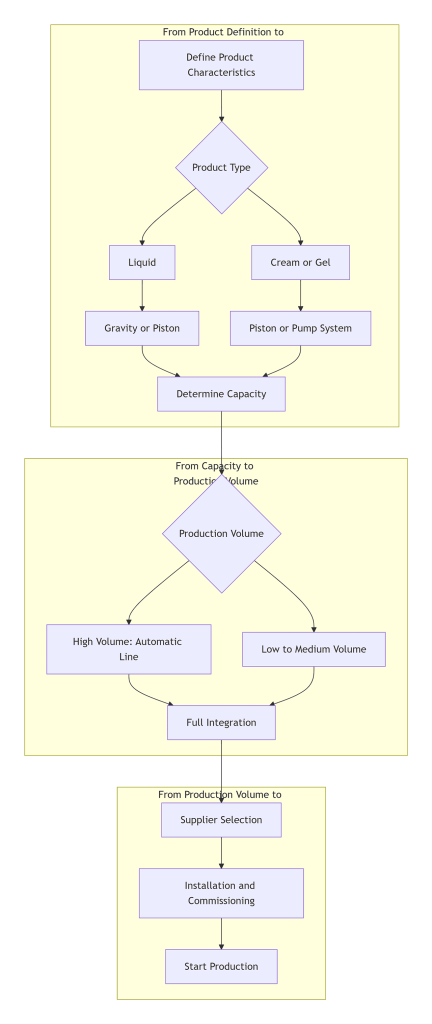
Cosmetic Filling Line Selection Workflow
Engineers often follow a structured decision process:
Frequently Asked Questions
Q1:What is the best filling machine for cosmetic creams?
A1: A piston filling machine is typically the most effective due to its ability to handle high viscosity accurately.
Q2: Can one machine fill different products?
A2: Yes, provided the system supports adjustable settings and quick changeover features.
Q3: How accurate are modern cosmetic filling machines?
A3: High-quality systems can achieve very tight tolerances, minimizing overfill and product waste.
Q4: Is a fully automatic line worth the investment?
A4: For medium to large production volumes, automation significantly reduces labor costs and improves consistency.
Ready to Upgrade Your Cosmetic Production Line?
Selecting the right filling machine is a long-term investment in productivity, quality, and scalability. Manufacturers that implement well-engineered filling systems gain a strong competitive advantage in today’s fast-moving cosmetic market.
If you are planning a new factory, expanding capacity, or replacing outdated equipment, working with an experienced supplier ensures the solution matches your production goals.
About TRPACK
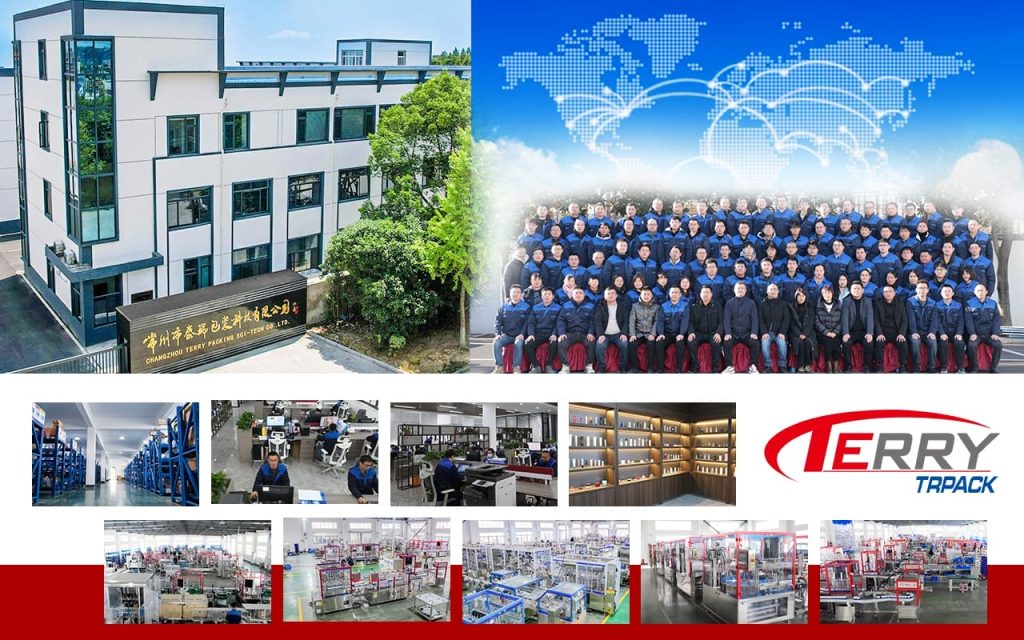
Changzhou Terry Packing Sic-Tech Co., Ltd. (TERRY PACKING or TRPACK) is a leading high-tech enterprise positioned as a smart factory system integrator and end-to-end solution provider for the cosmetics, personal care, and pharmaceutical industries. With 11 years of deep expertise in the field of smart manufacturing, we offer one-stop “Turnkey Solution” services ranging from automated workshop design and equipment R&D/manufacturing to EPC general contracting.
To enhance your confidence in procurement decisions, TRPACK leverages the following core strengths to ensure delivery quality:
Scale and Technical Expertise: We operate a 12,000-square-meter independent factory and employ a professional team of over 160 people, including more than 40 core R&D engineers, with cumulative R&D investments reaching 13 million yuan.
Authoritative Certifications and Innovation: Certified under the ISO 9001 Quality Management System and the EU CE Marking, and holding over 60 national patents, we ensure the efficiency, stability, and compliance of our equipment.
Global Service Support: We serve over 30 countries worldwide and more than 600 renowned domestic enterprises. With service centers in Shanghai and Guangzhou, and over 10 technical engineers stationed in overseas markets, we provide 24/7 rapid response support. We are committed to empowering the beauty industry’s transformation through “Made in China 2.0,” helping businesses overcome production capacity bottlenecks and maximize both profits and efficiency.